In Autumn 2
we are learning...
Phonics
In Phonics we begin each lesson saying the alphabet chant, either chanting the letter sounds or the letter names. This half term we are learning the new GPCs: l, ll, j, v, w, x, y, z, zz, qu, ch, sh, th and ng. Children learn to write the lower and upper case letters. They practise blending and segmenting words which include the new GPCs.
Reading
In Reading, children will apply their new phonics knowledge to the skill of reading shared reading books containing these GPCs. We practise the green and red (tricky) words daily that are found in the front of the shared reader and continue to model answering the decodable questions at the back of the book to help with the children’s comprehension.
Writing
In Writing, children are applying their phonics knowledge so far in different writing opportunities. Through the enjoyment of an autumn themed books, children begin writing words, labels and captions using the taught GPCs. We focus on retelling and sequencing books orally, equipping children will new vocabulary learnt through these books.
Rhyme Time
In our daily Rhyme Time, we will be singing the following nursery rhymes this half term: I’m a Little Teapot, Twinkle Twinkle and lots of nativity songs for our performance of The Nativity on Wednesday 9th December!
Maths
In Maths the children will continue to develop their mathematical understanding through our NCETM Mastering Number programme. They will compare groups of objects, using the language of more than, less than, equal to and unequal. They will practise counting carefully, recognising how many objects are in a group and exploring numerals. We will also investigate how numbers can be made up of smaller parts, exploring whole and part relationships with numbers 3, 4 and 5. Through practical activities and games, the children will develop their ability to recognise small quantities without counting (subitising) and build confidence in their early number skills.
Topic
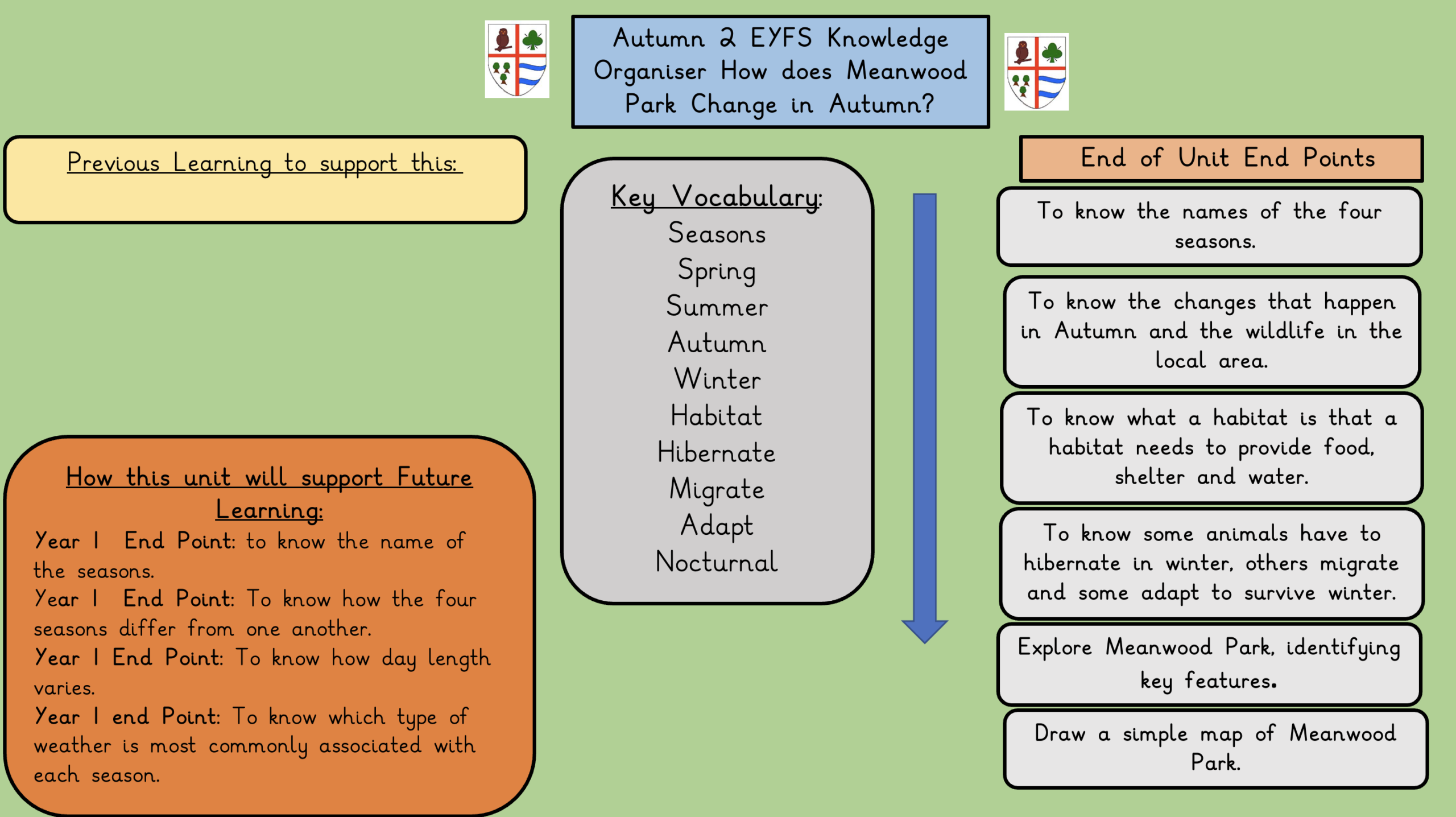
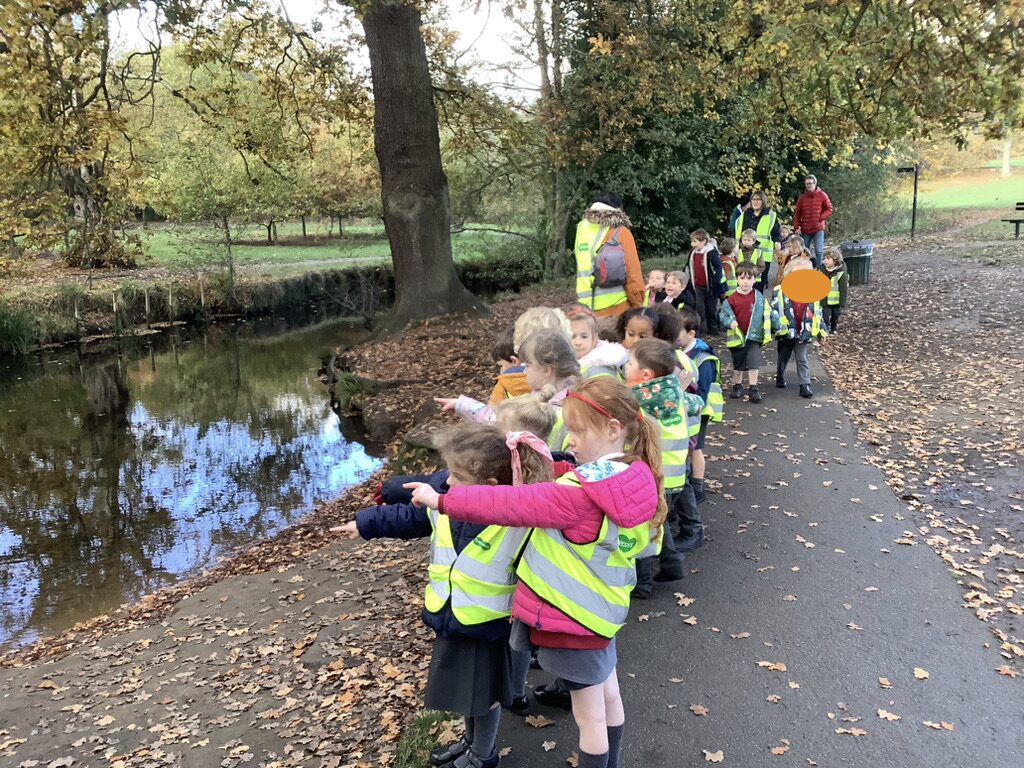
In Topic lessons we will learn about the seasonal changes that occur at this time of year. The children will visit Meanwood Park, spotting the seasonal changes that happen in Autumn. They will learn to say the seasons in order, knowing that there are four seasons. Through first hand experiences, children learn what a habitat is and the three things that make a good habitat (food, shelter, water). They learn about the wildlife that lives in Meanwood Park and Meanwood beck and how some animals hibernate, migrate or adapt to prepare them for the winter months.
Religion and Worldviews
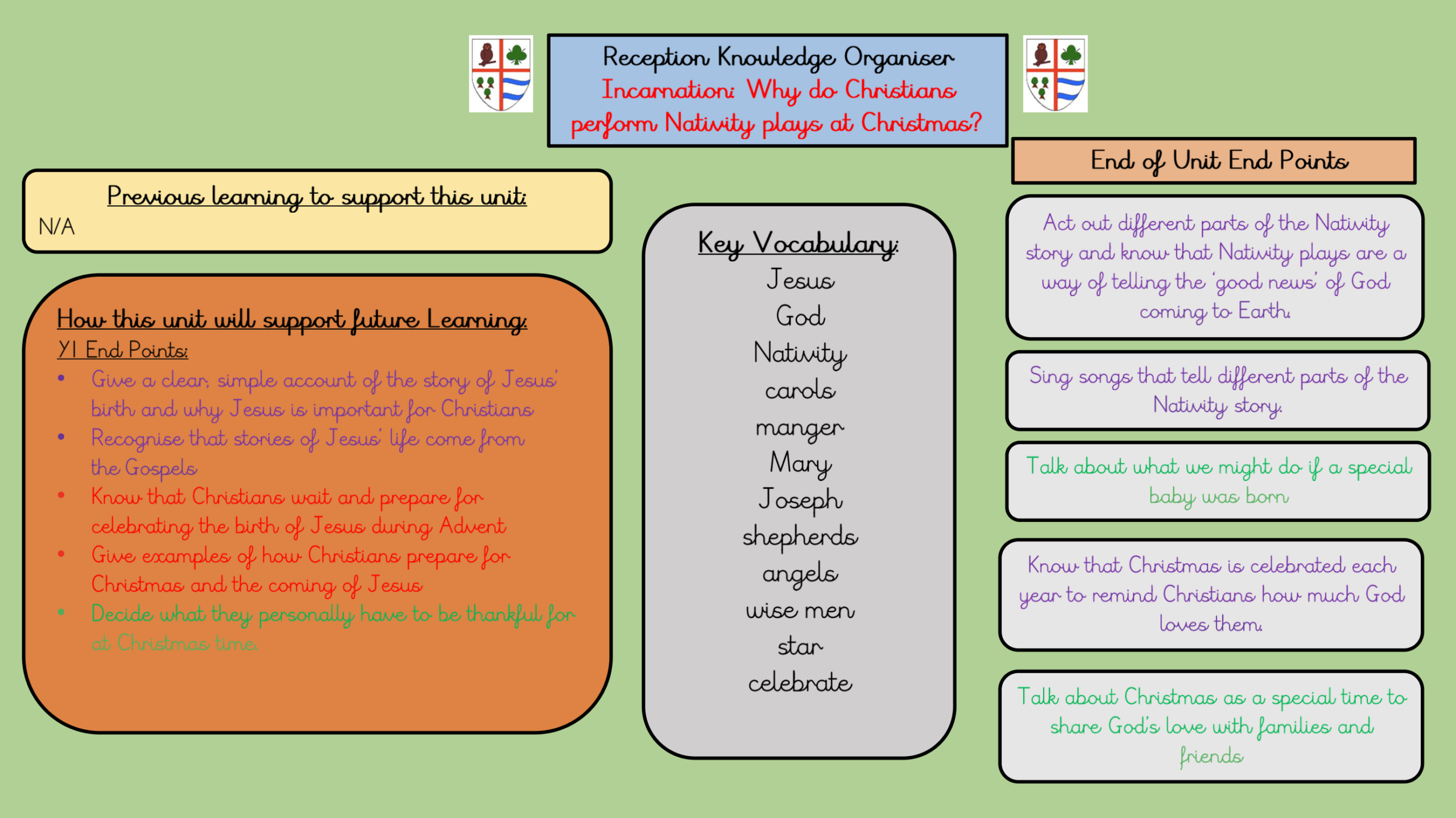
In Religion and Worldviews we will be acting out different parts of the Nativity story learning that Nativity plays are a way of telling the ‘good news’ of God coming to Earth. Children will sing songs that tell different parts of the Nativity story and talk about what we might do if a special baby was born. The children will know that Christmas is celebrated each year to remind Christians how much God loves them and that Christmas as a special time to share God’s love with families and friends.
P.E
In our PE lessons we will exploring Dance.
Art
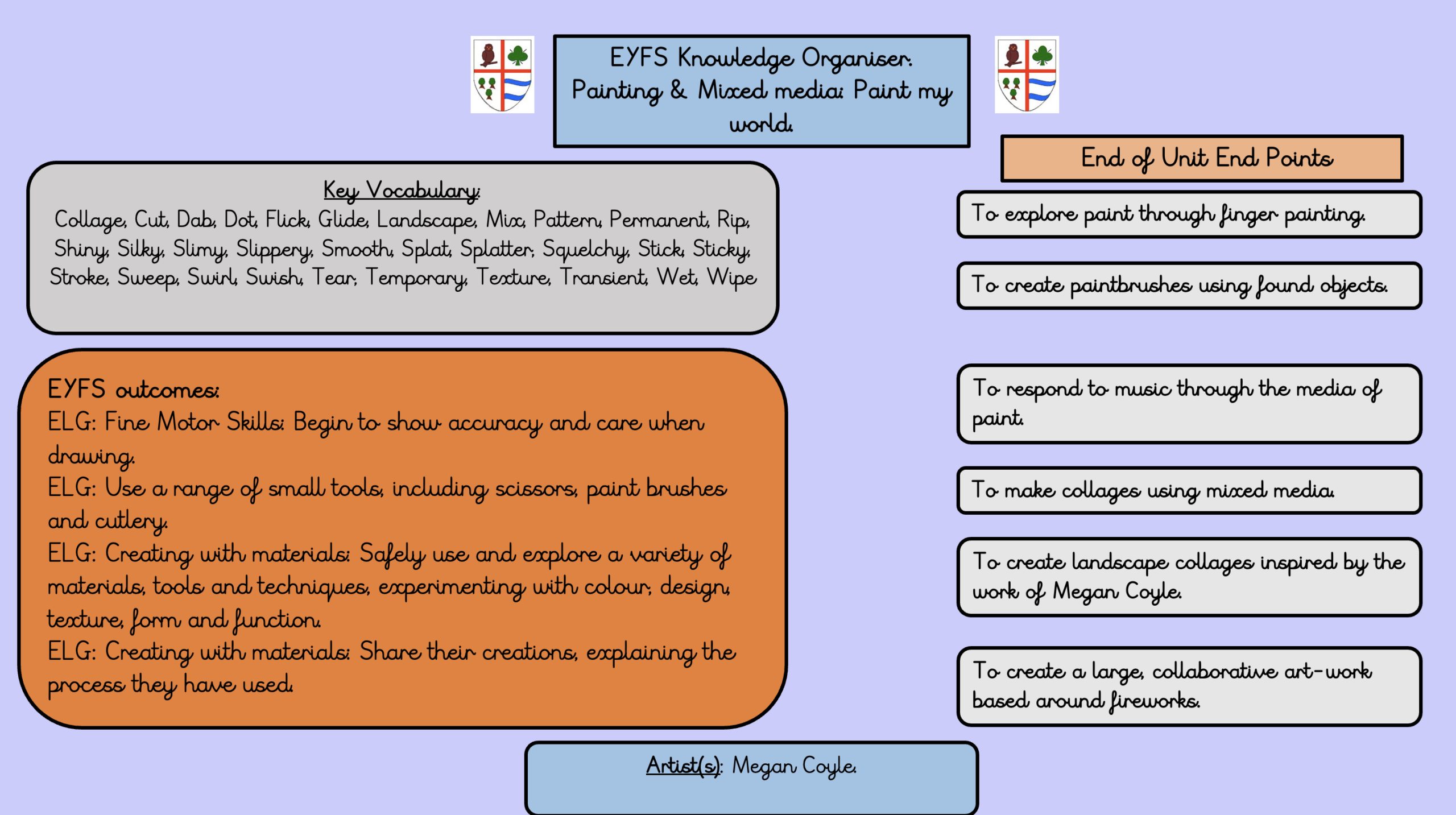
In Art lessons we will be exploring painting and mixed media. Children will create landscape collages inspired by the work of Megan Coyle and finally, they will produce a large, collaborative art-work based around fireworks.
Music
In Music we will be practising our Christmas Nativity songs in preparation for our performance in December.
Oracy
Our Oracy focus is Autumn Treasures. Please see an e-mail sent to parents for further information regarding this, including the week your child can bring in a showing.
Knowledge Organisers
Knowledge Organisers should be used to support your child throughout the topic being covered. They provide end points which is the knowledge that children will gain from this unit of work. They also show the learning that has taken place before and how this will link to future learning.
Our Autumn Detectives Walk
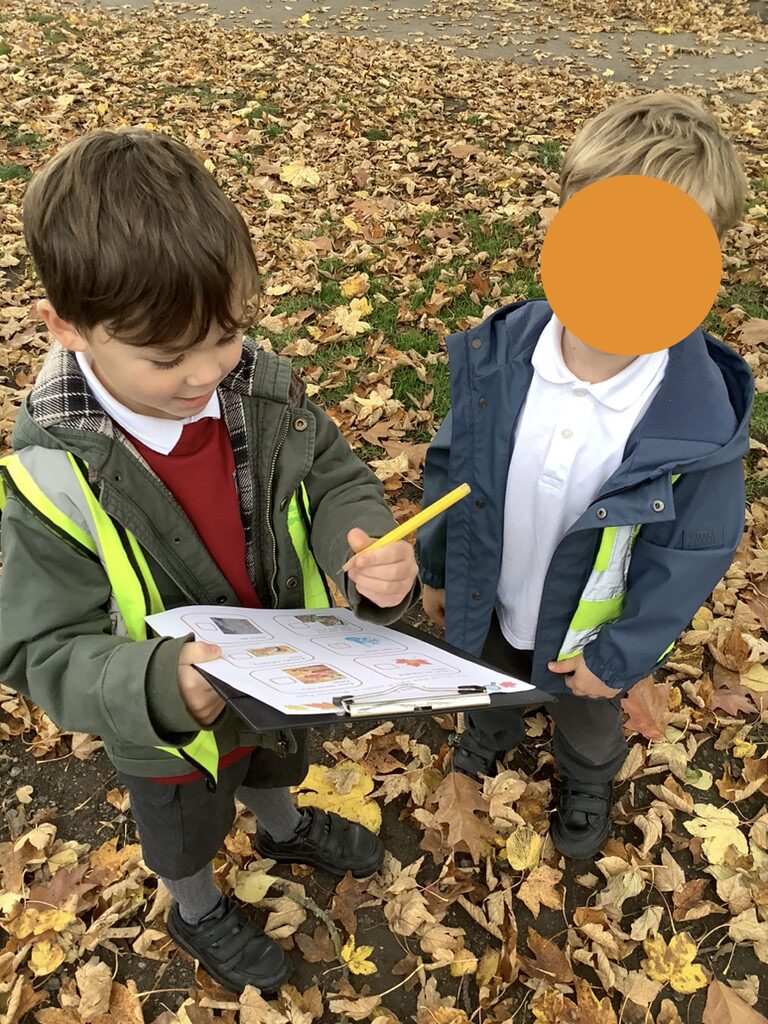
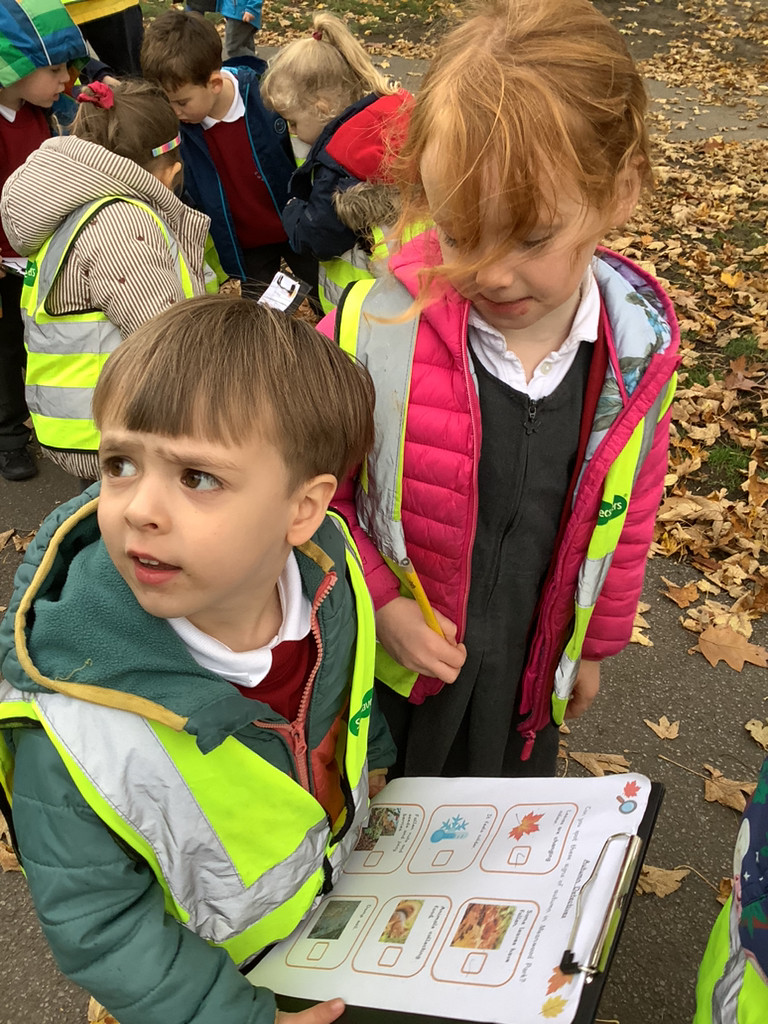
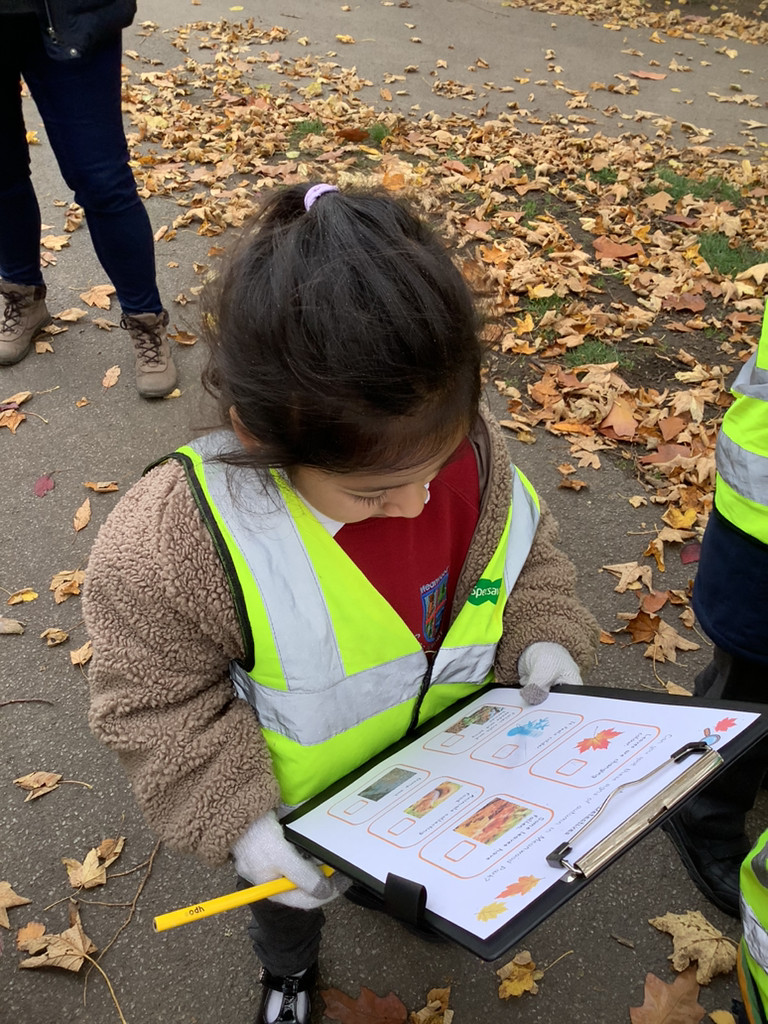
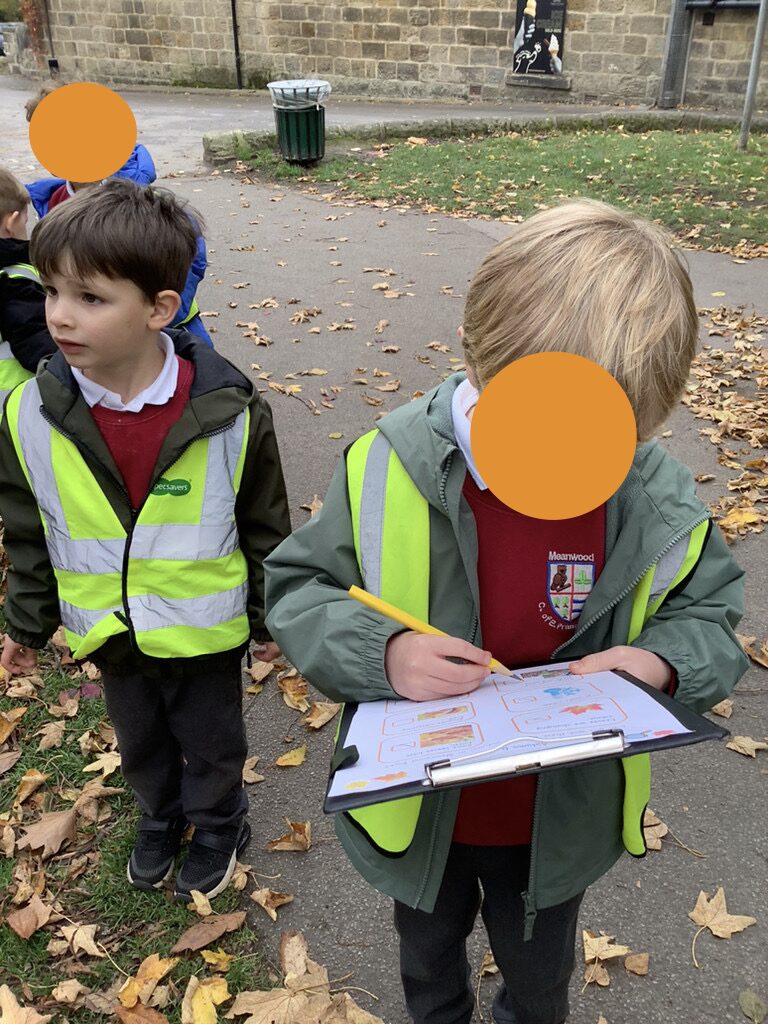
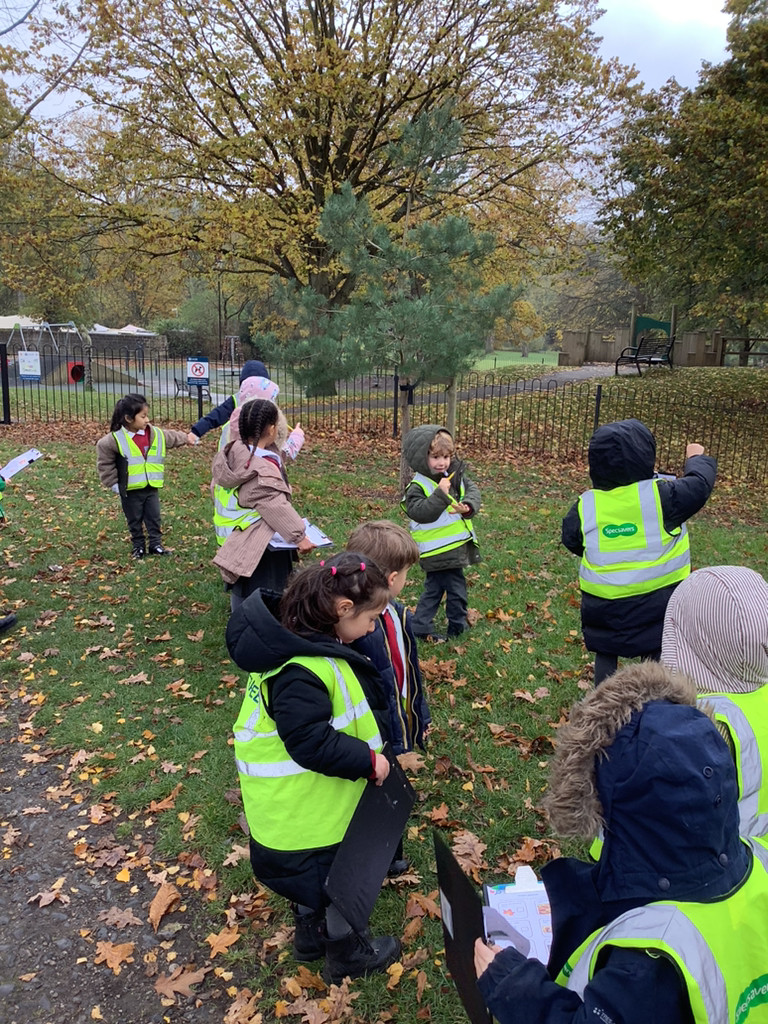
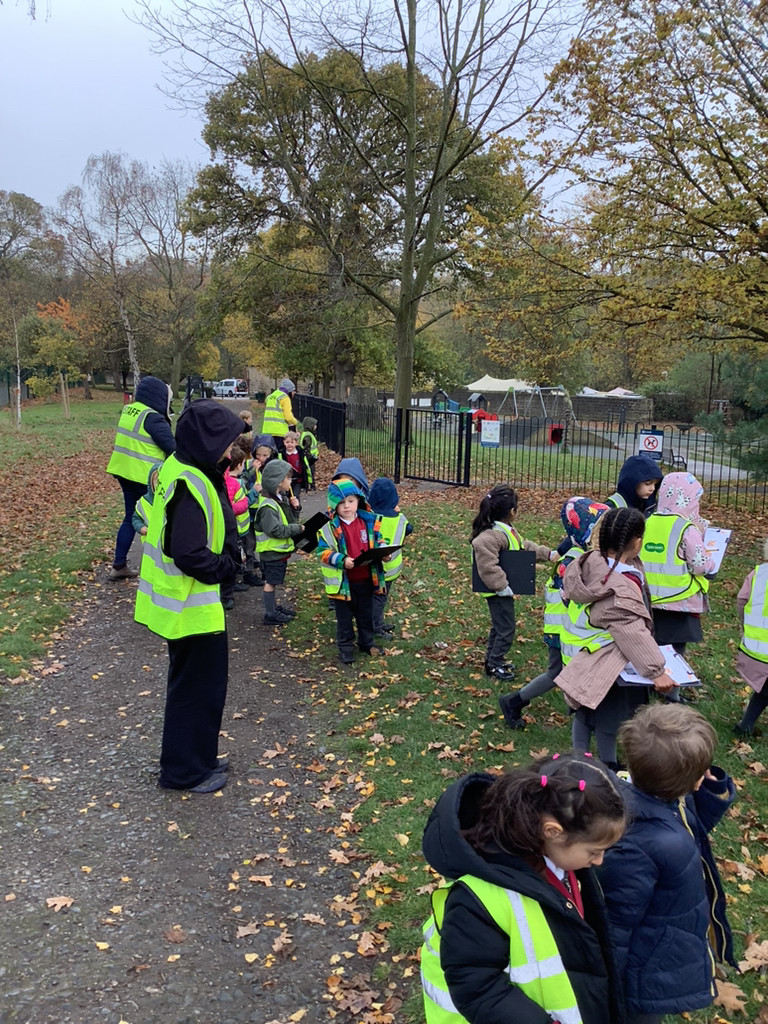
Habitats Walk Around Our Local Park
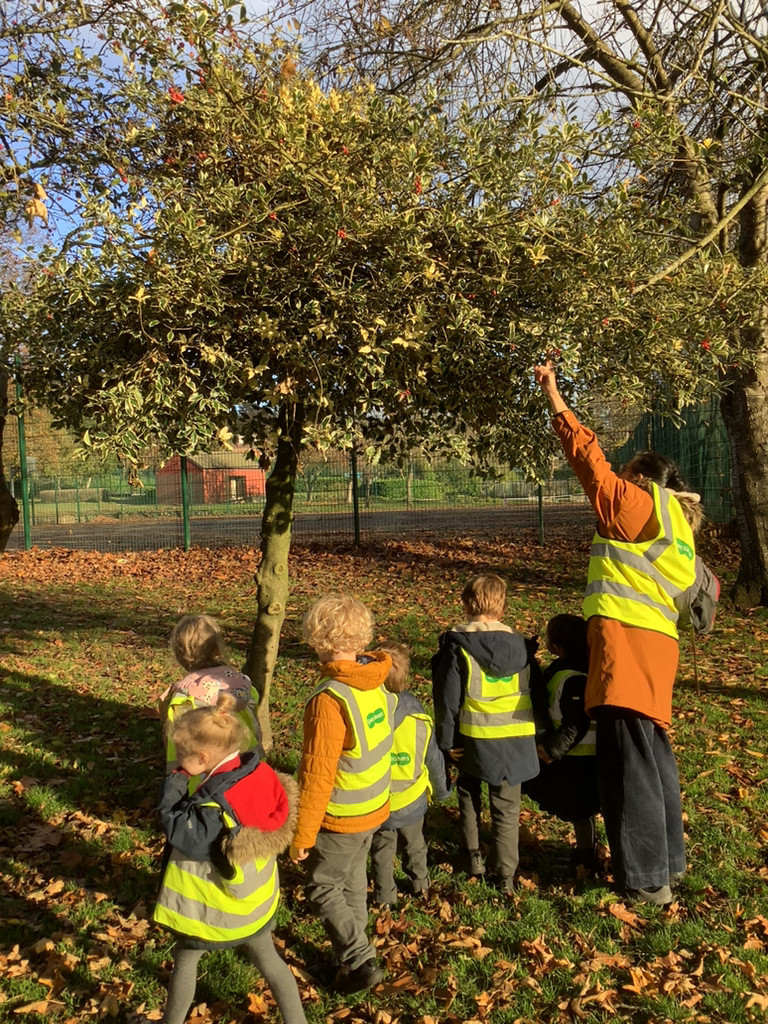
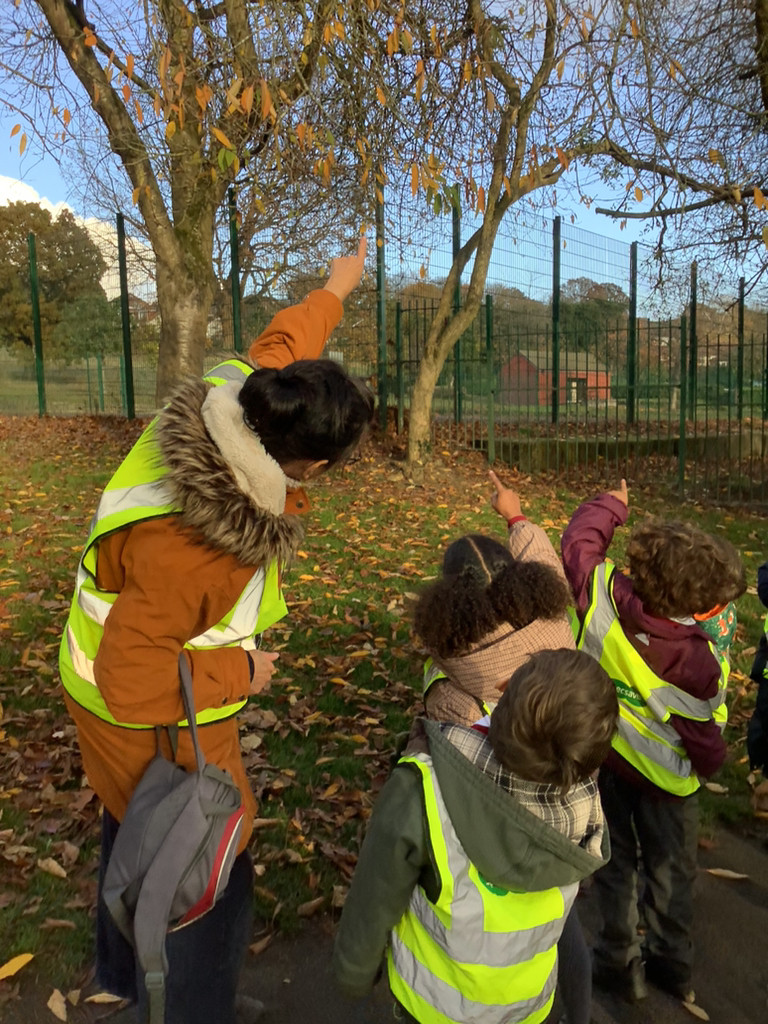
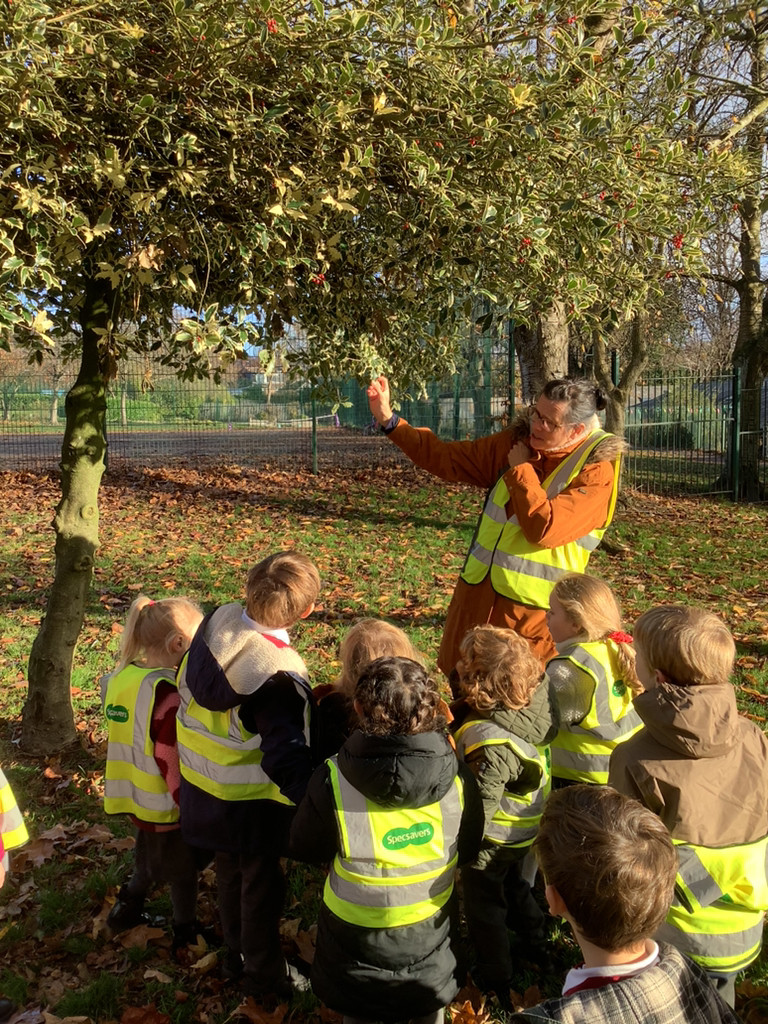
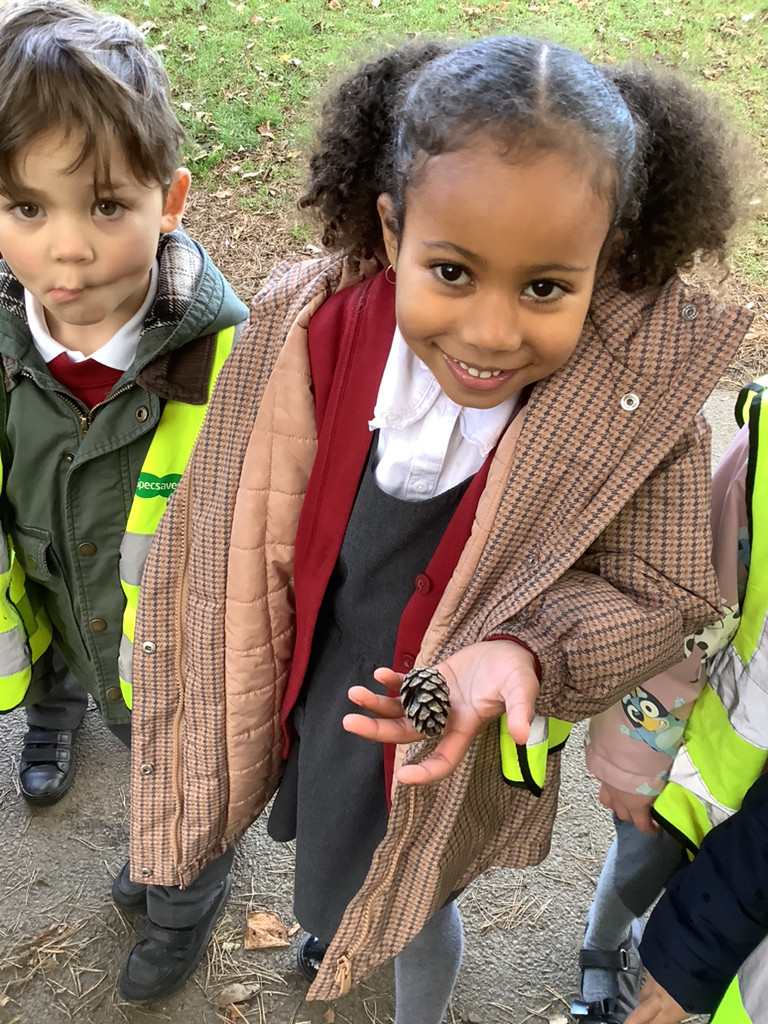
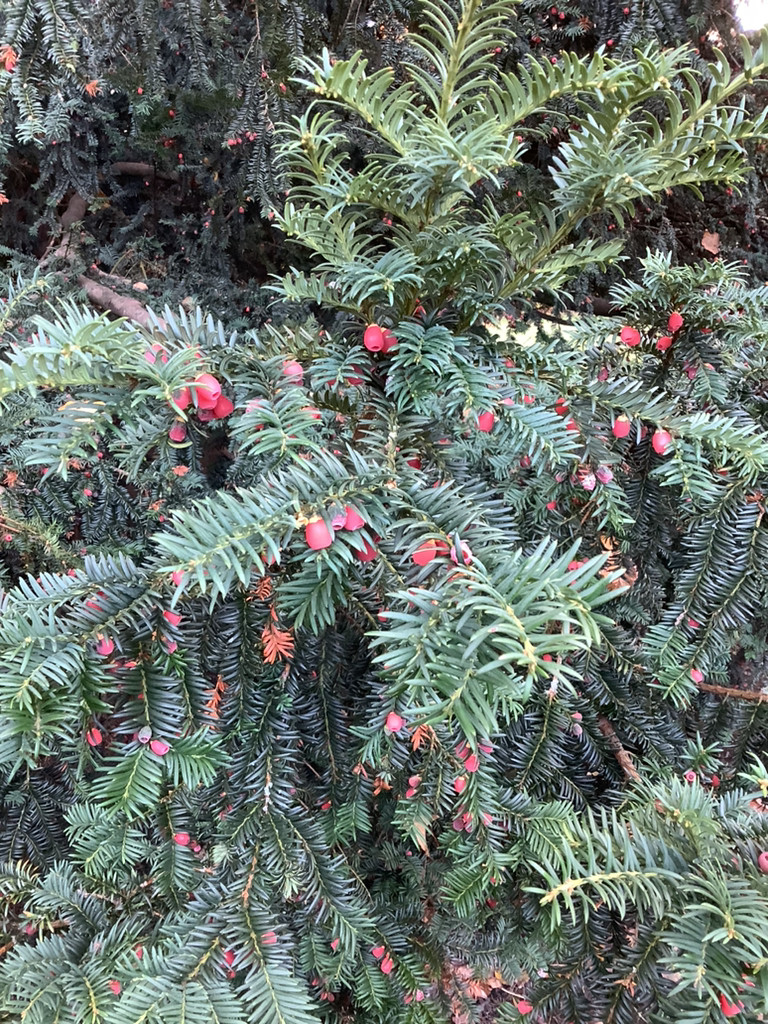
The children explored a new Topic focus, “Meanwood Park in the Autumn”. To support our learning, we became Autumn Detectives and explored our local park to look for signs of seasonal change! 🍂 The children used their senses to investigate their surroundings, spotting colourful leaves, fallen leaves, acorns and other signs of autumn. We talked about how the leaves change colour and fall from the trees, and how the weather becomes colder as we move towards winter. The children shared their observations using our sentence stem, “I noticed…” and compared what they could see with photographs of the different seasons. We had lots of fun exploring our local environment and discovering the changes that autumn brings! We spotted leaves on the ground and leaves that have changed to a range of colours. We noticed the air was cold and the ground was damp. We also spotted squirrels foraging and berries for the birds.
Bonfire and Diwali Celebrations
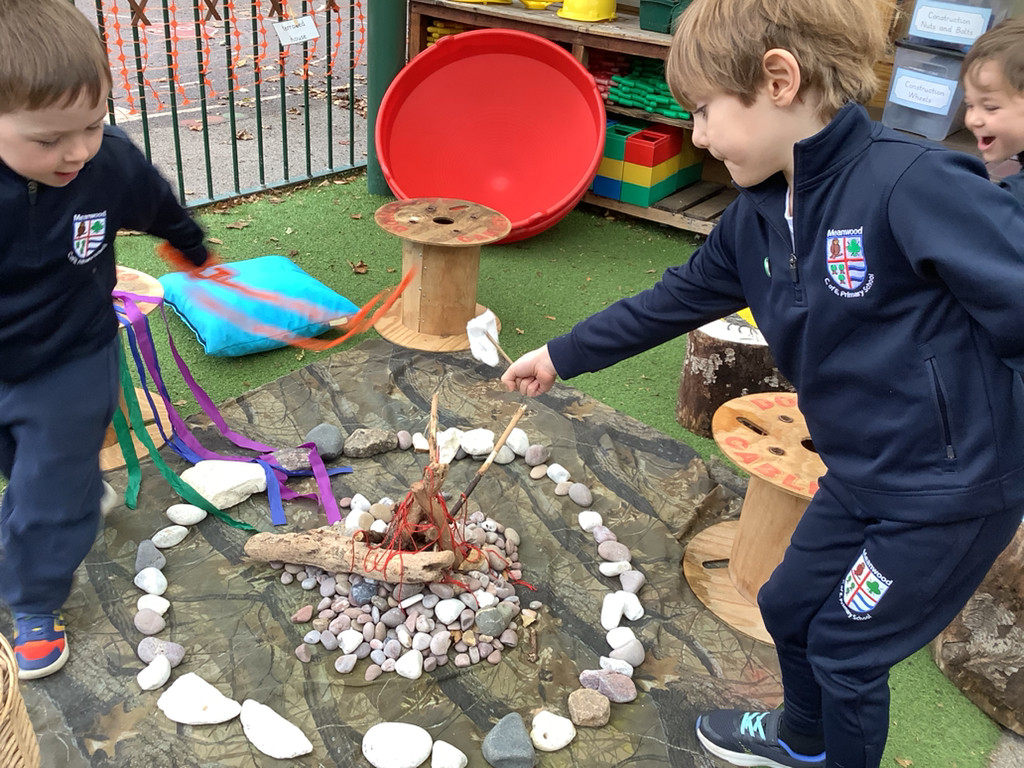
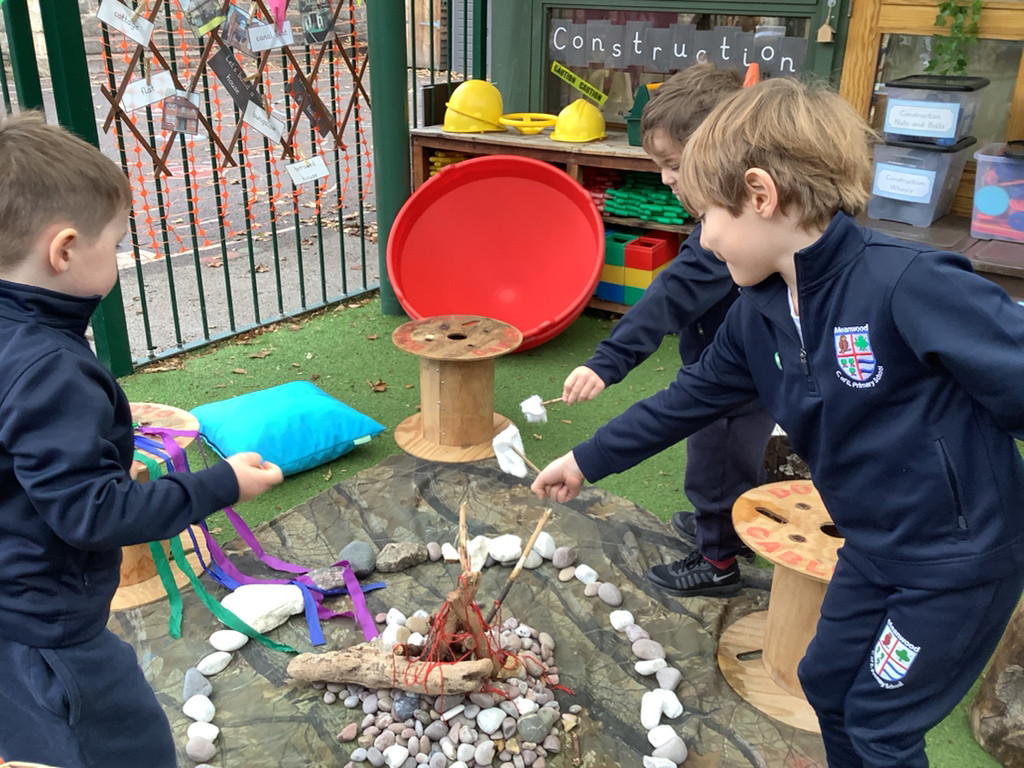
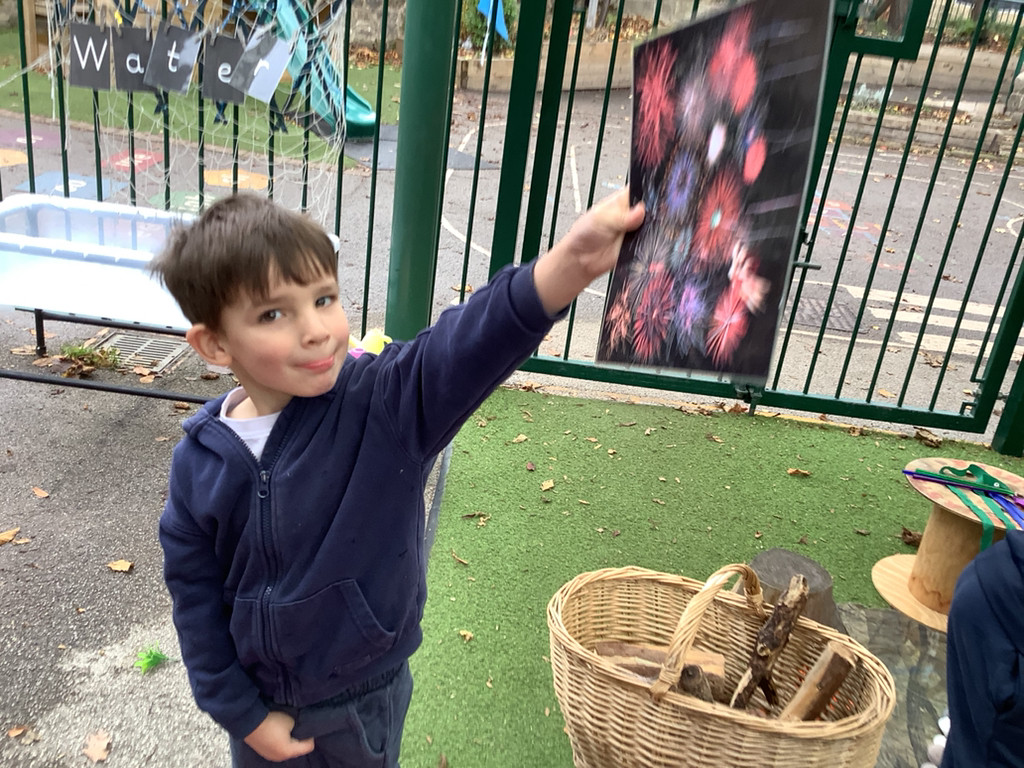
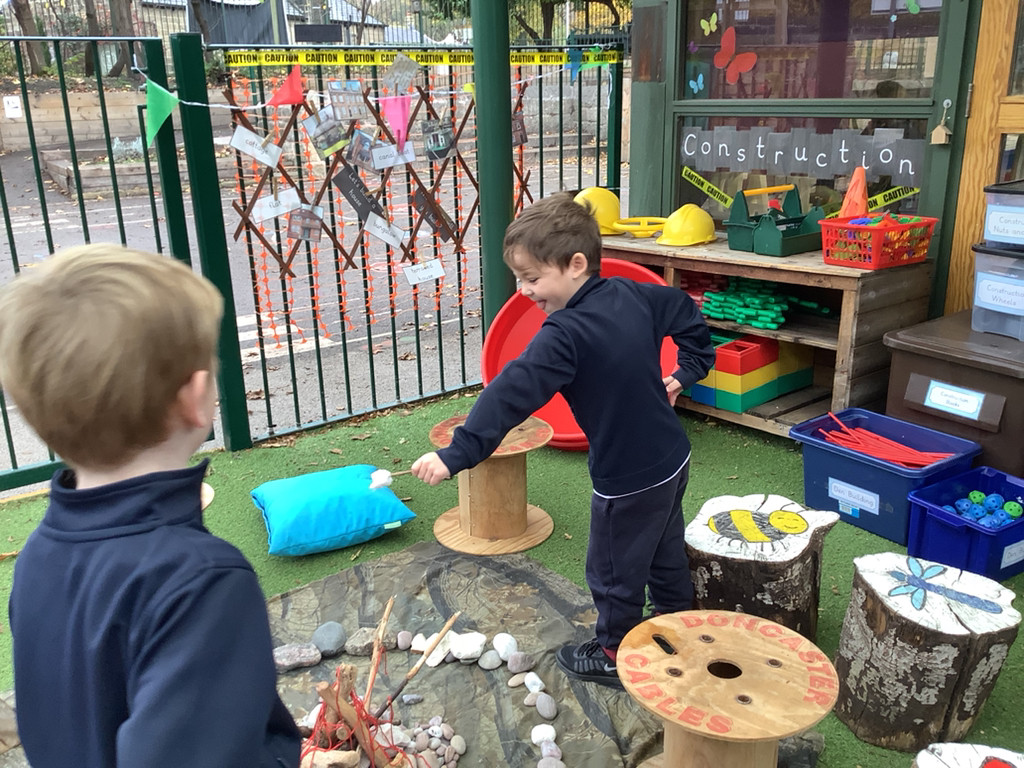
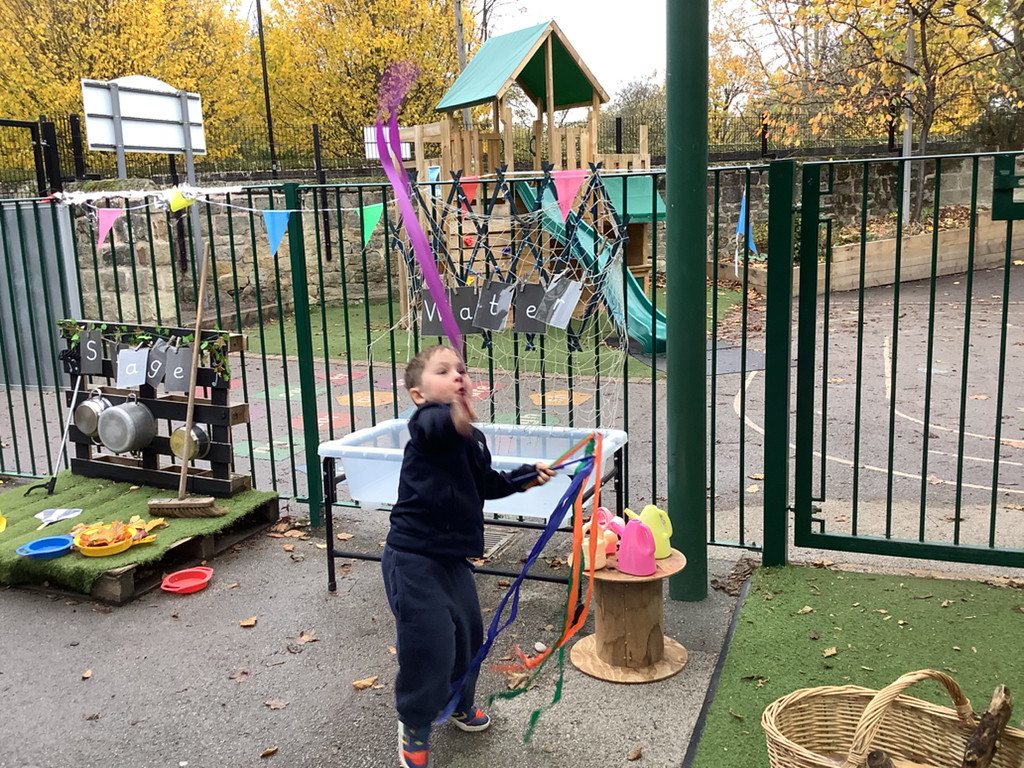
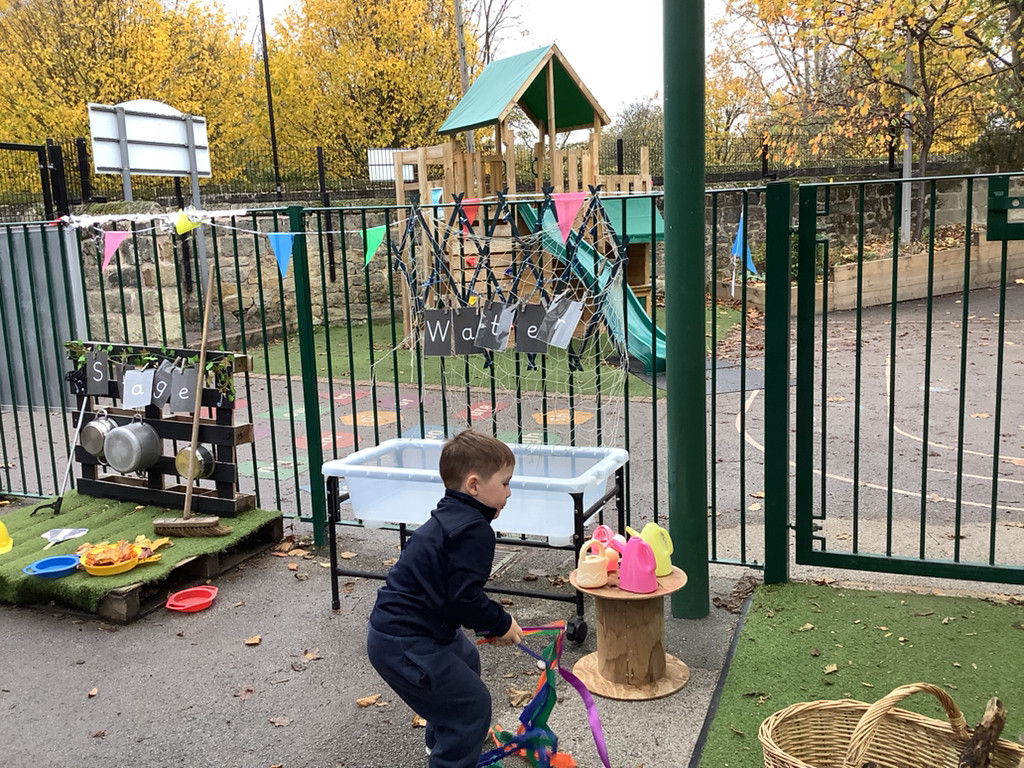
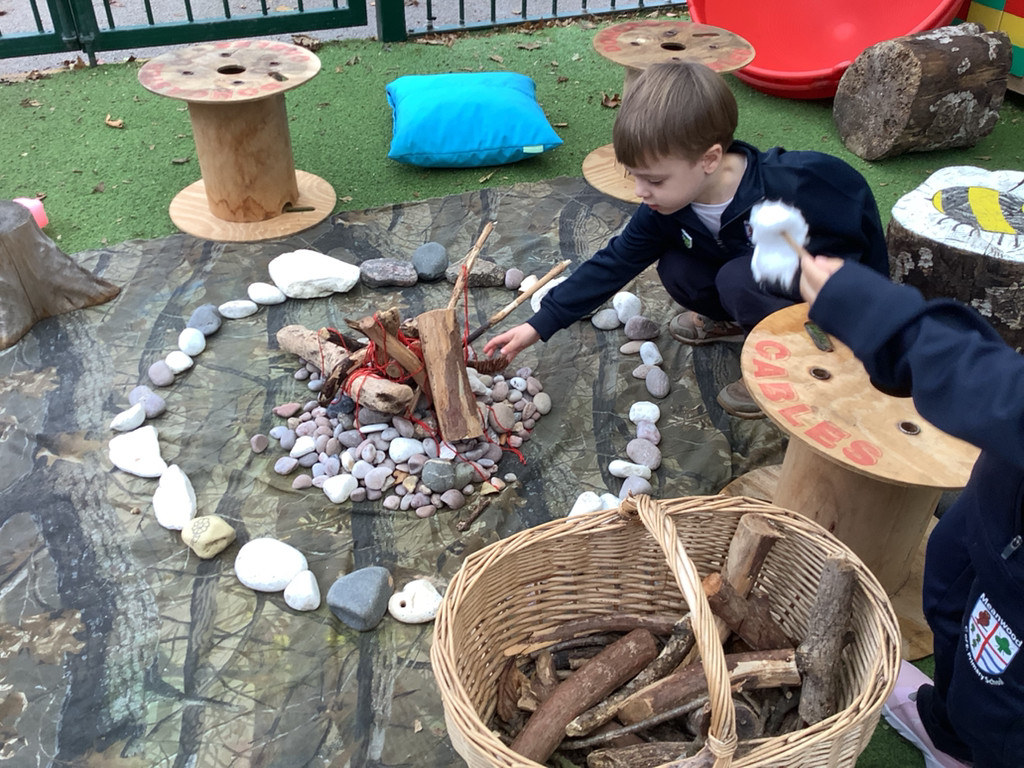
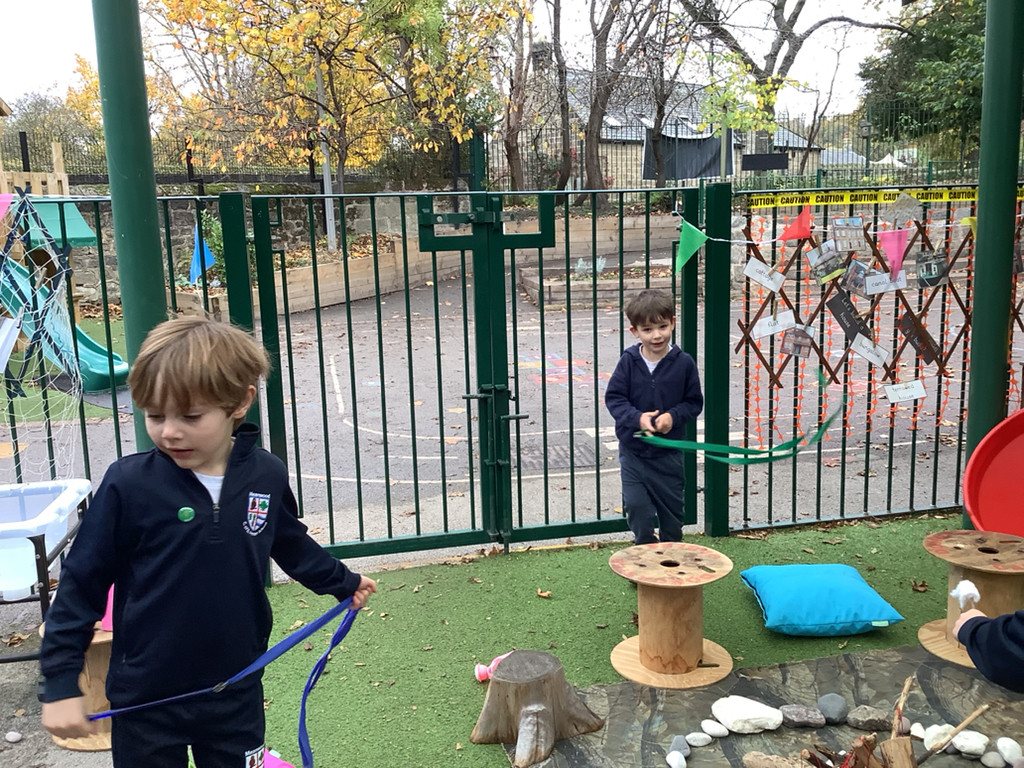
In the provision area the children explored Bonfire Night and Diwali. The children engaged in creating a bonfire, complete with fire safety ring of stones, red flames and marshmallow on sticks to toast in the fire. What a lot of fun!
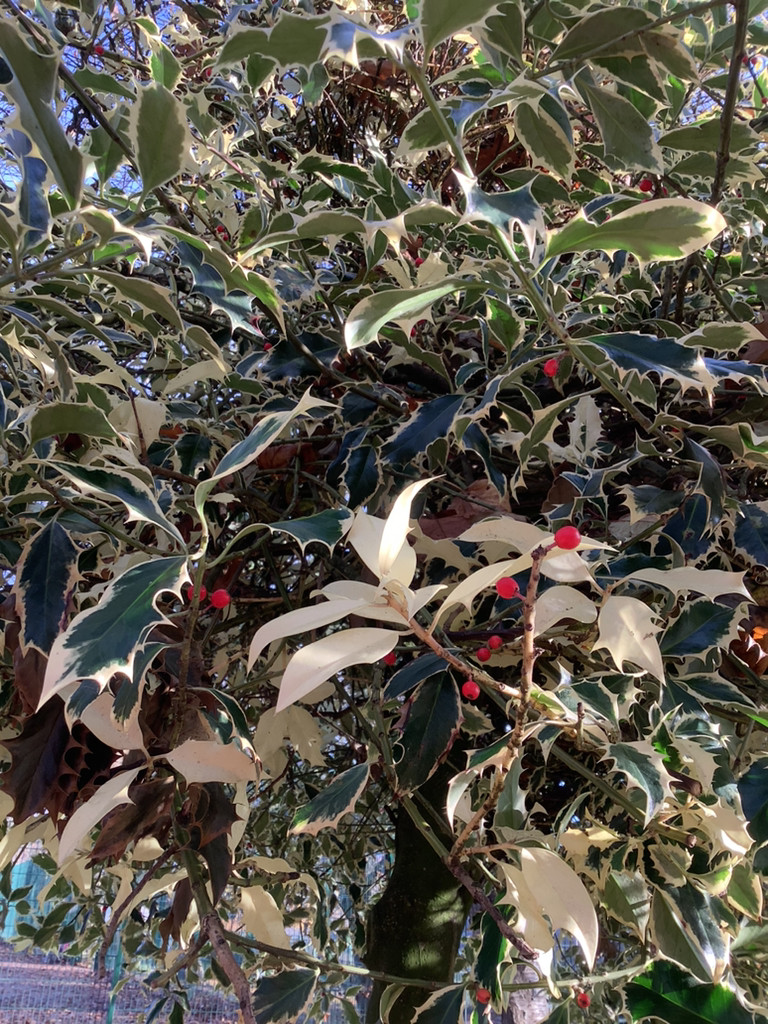
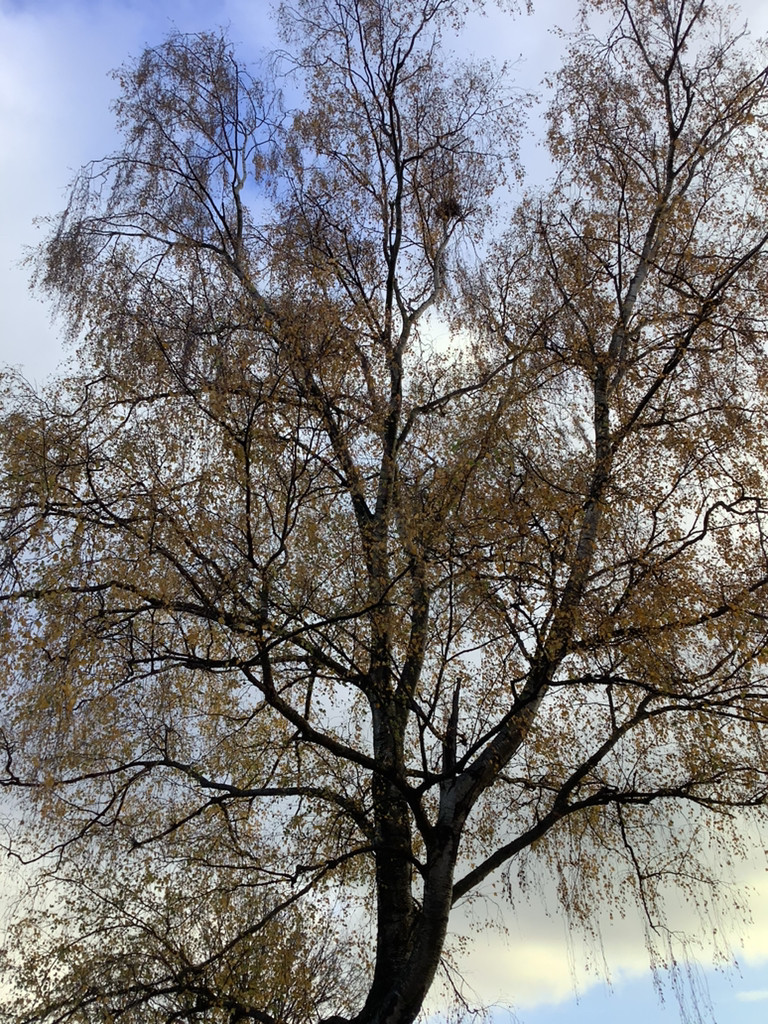
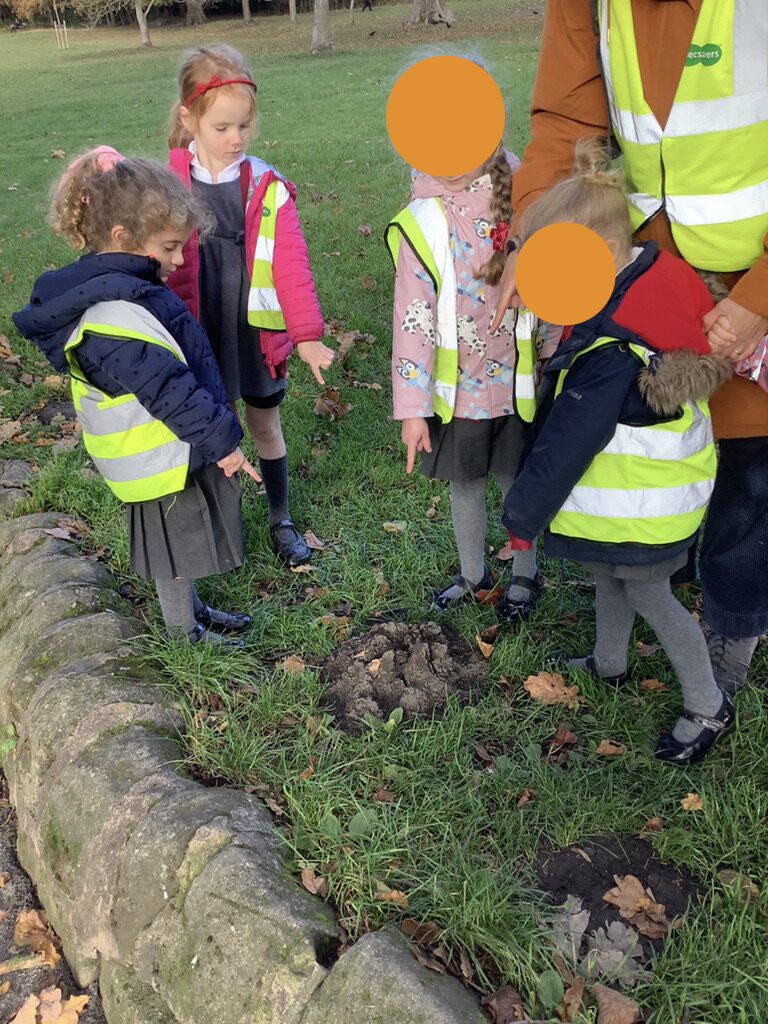
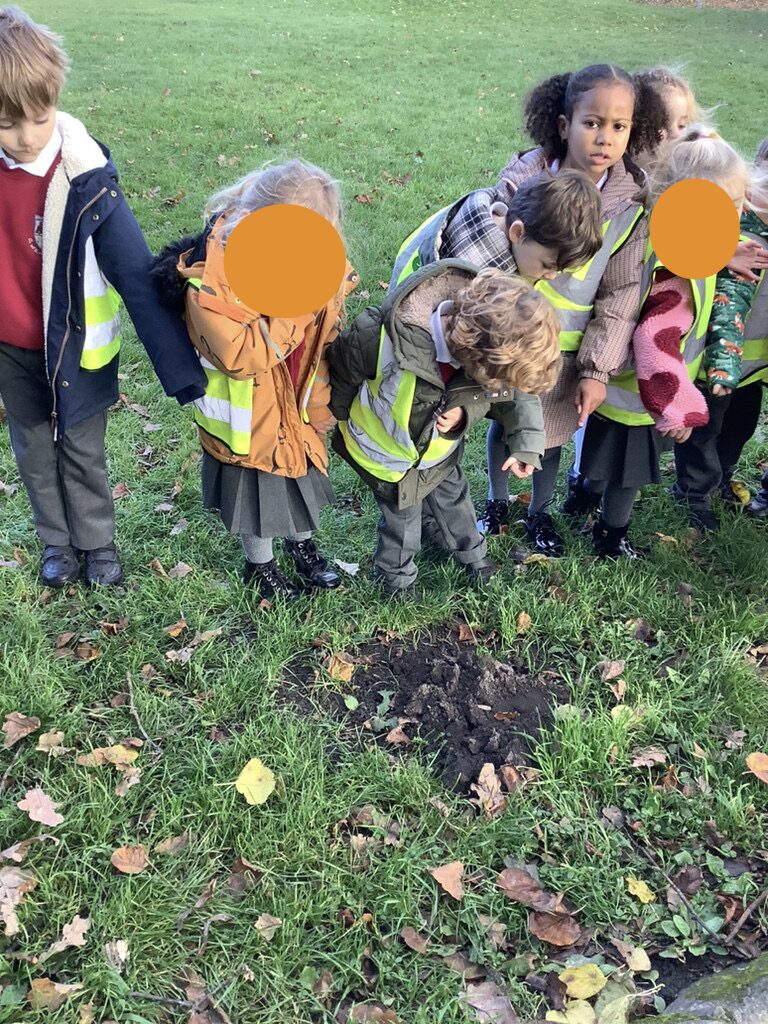
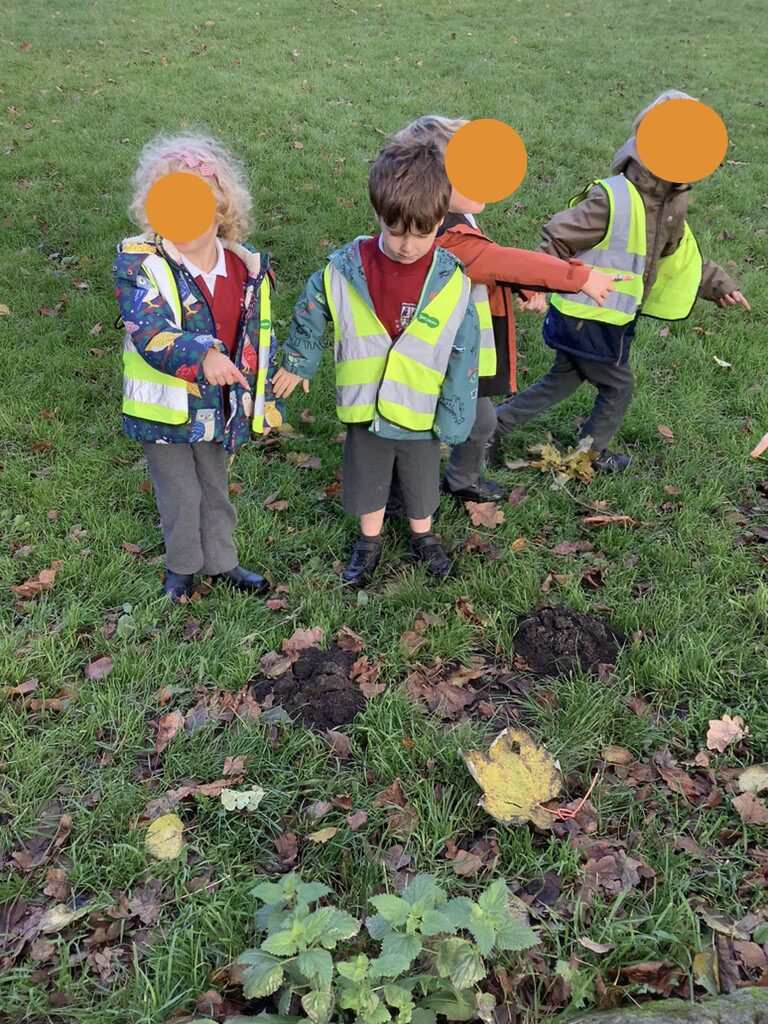
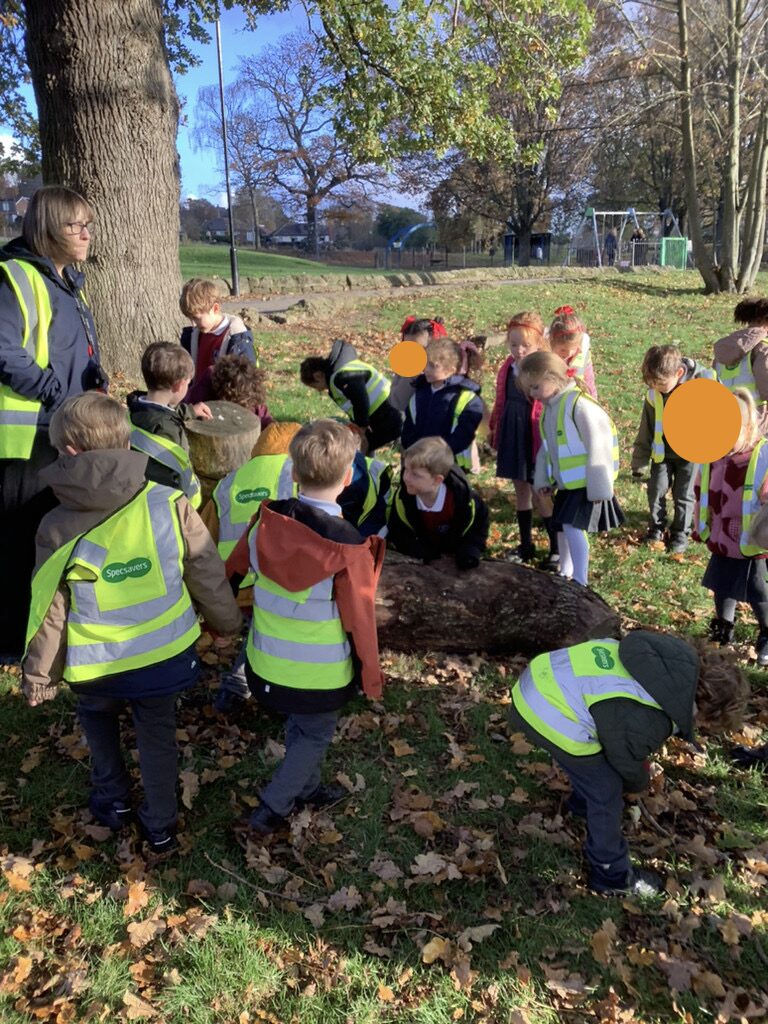
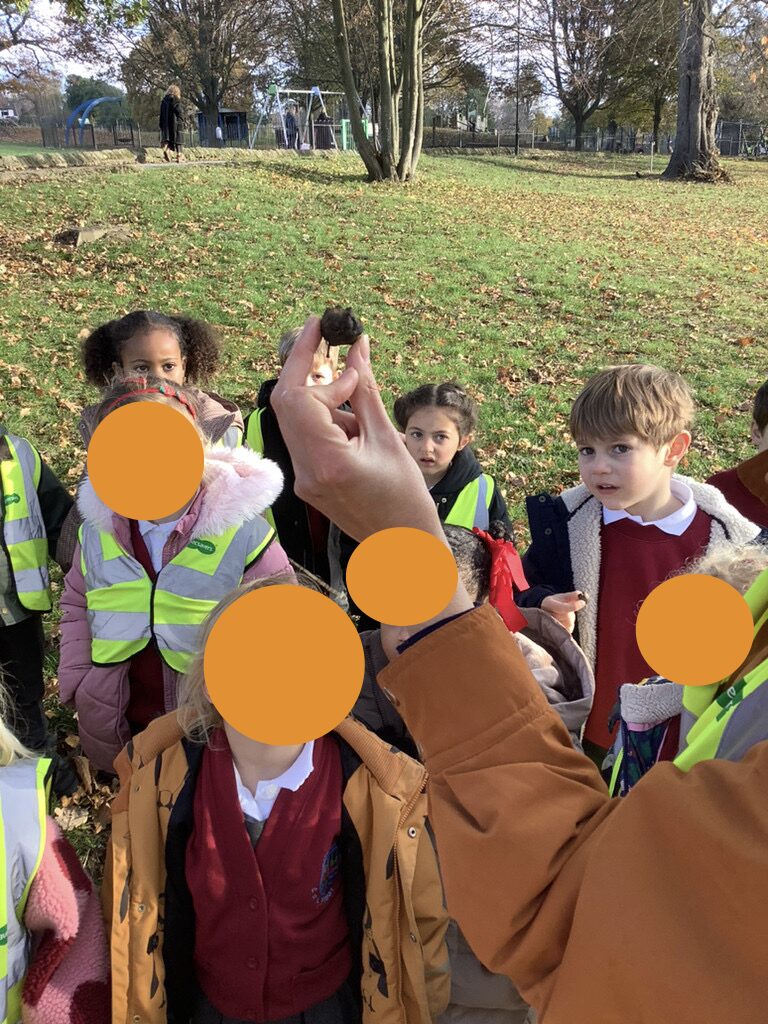
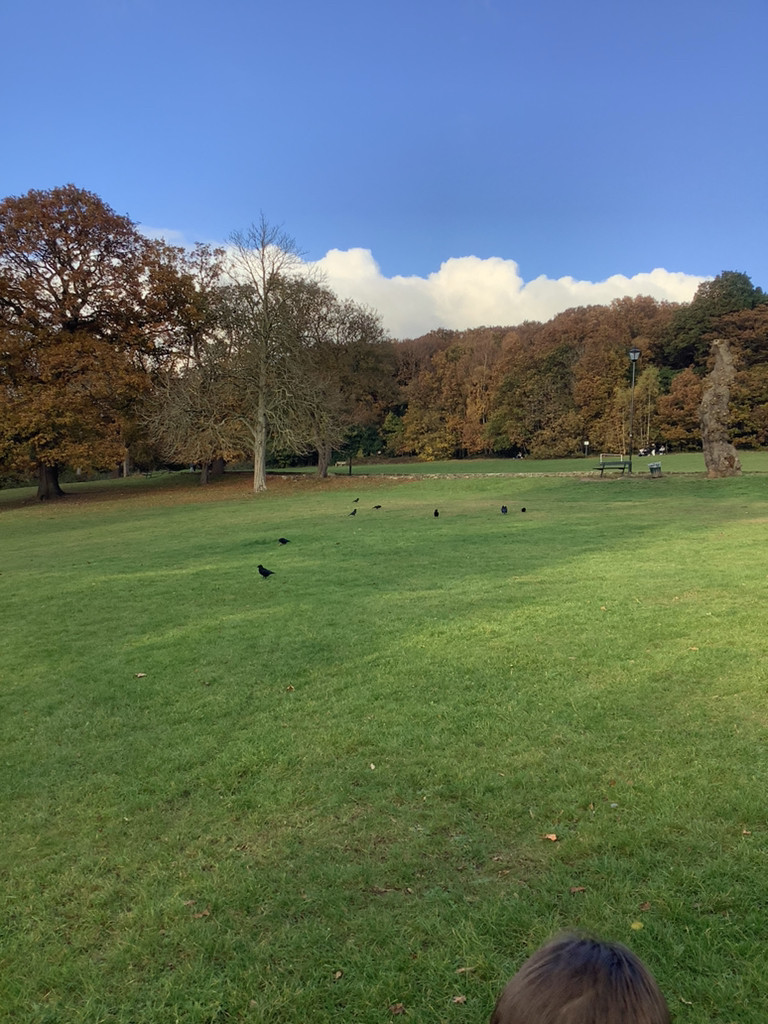
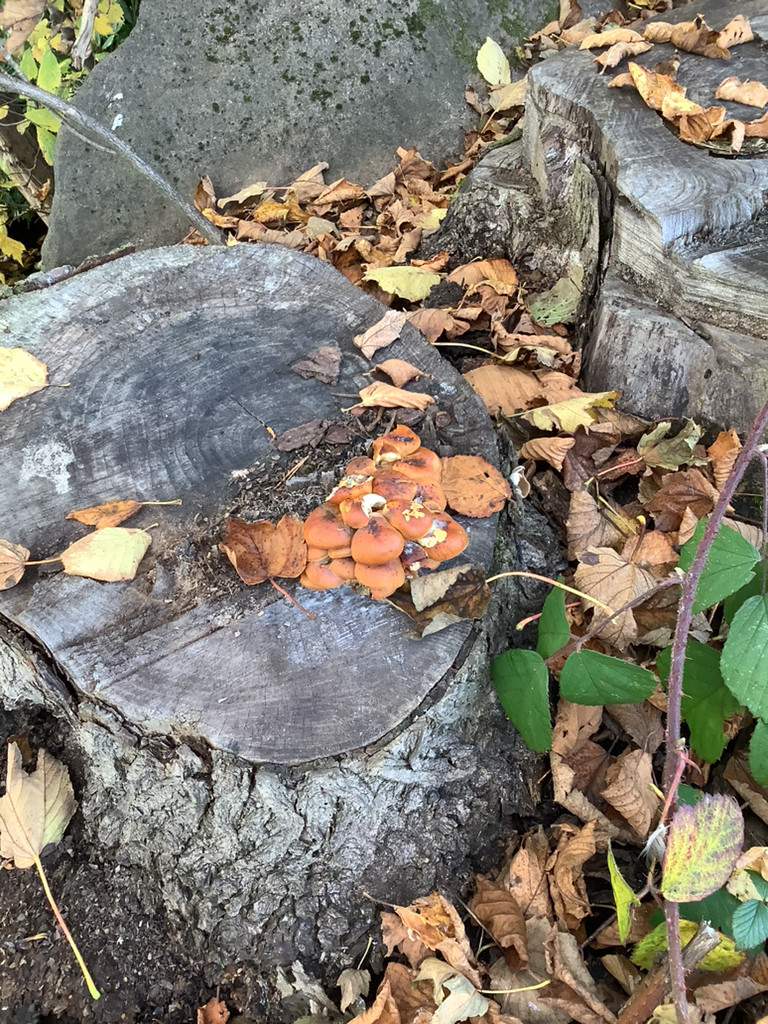
We explored woodland habitats and learnt that a habitat is a place where an animal lives. We investigated what animals need to survive, focusing on three important things: food, water and shelter. Working together, the children used natural and recycled loose parts to create habitats for toy woodland animals. They thought carefully about what to include and explained how each part would help their animal, such as providing somewhere safe to hide, food to eat or water to drink. We also linked our learning to our story Tidy by discussing how removing fallen leaves and logs can take away important shelter for woodland creatures. The children enjoyed becoming habitat builders and developing their understanding of how we can look after the natural environment.
Exploring new vocabulary from our story ‘Tidy’ by Emily Gravett
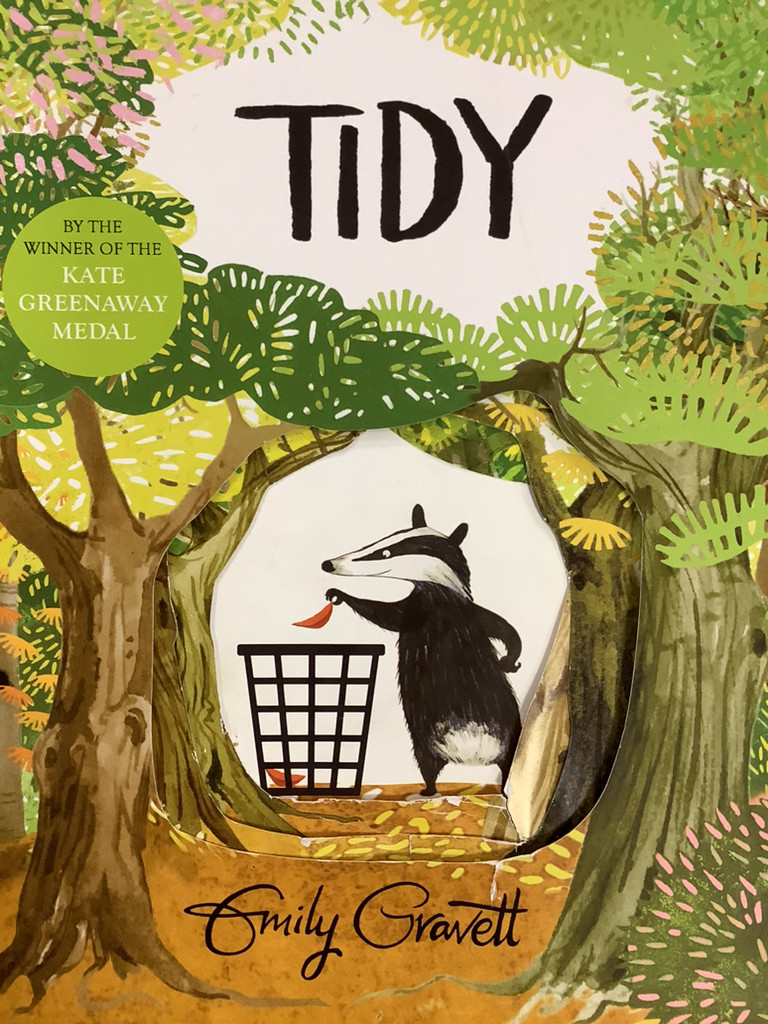
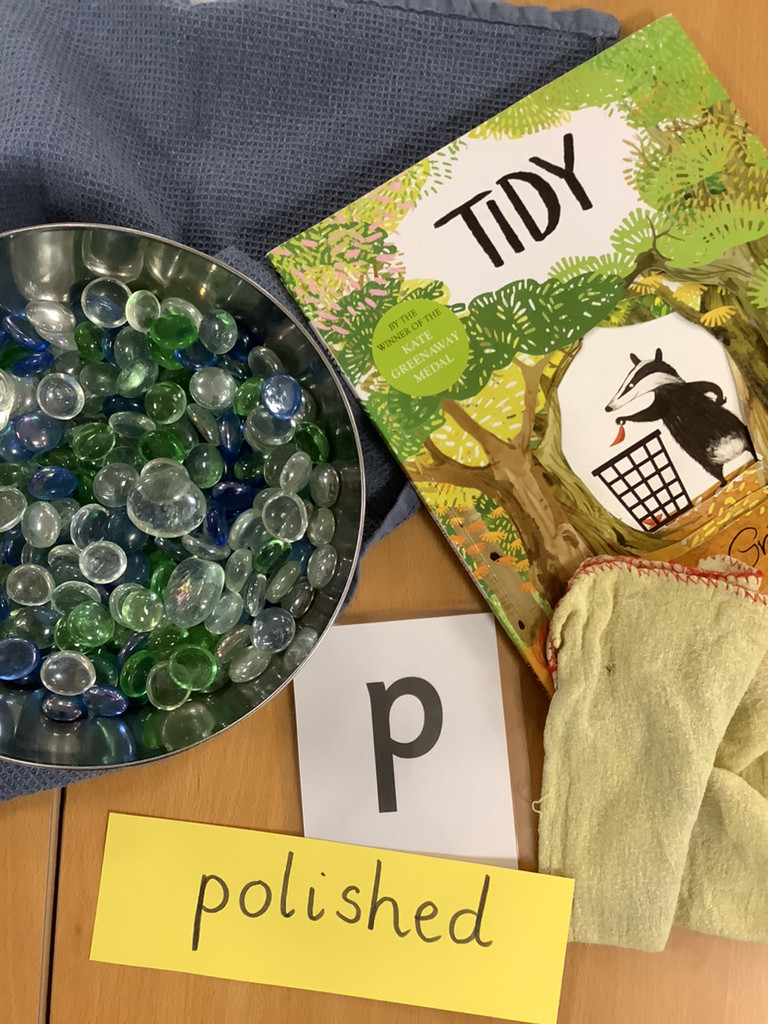
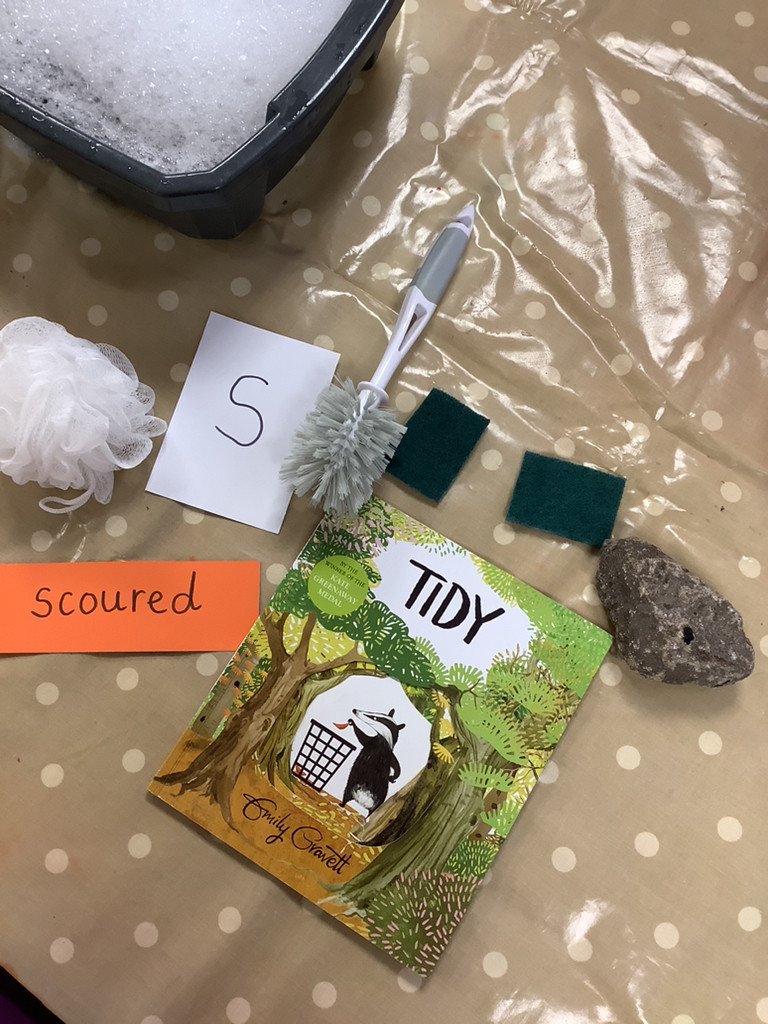
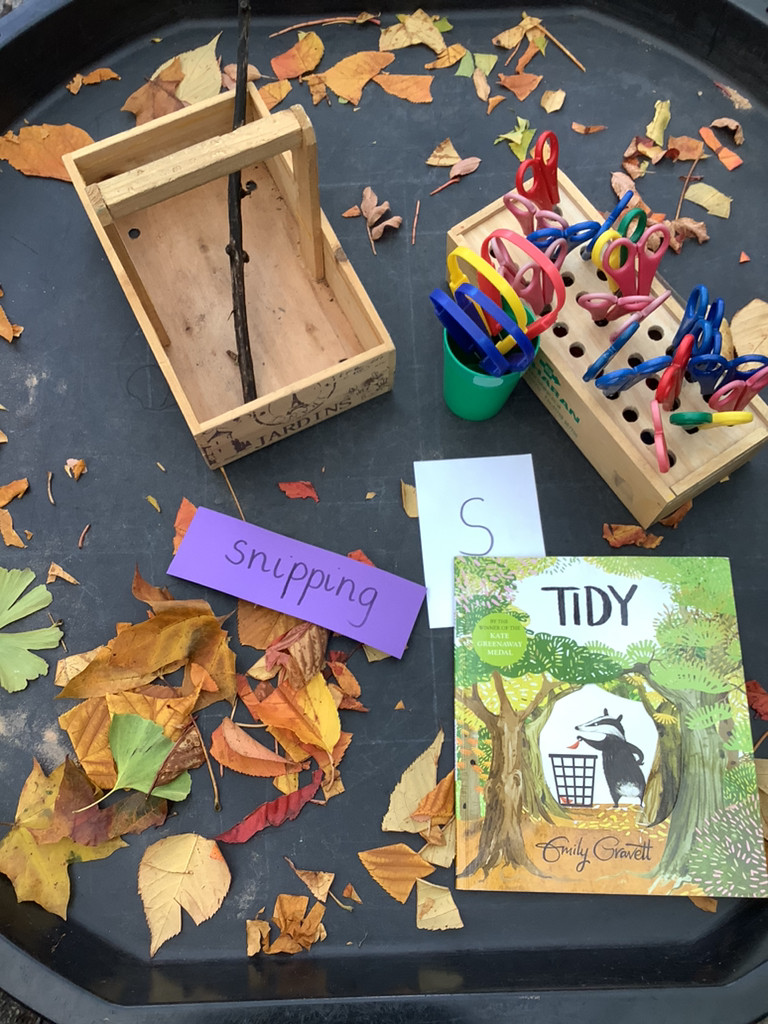
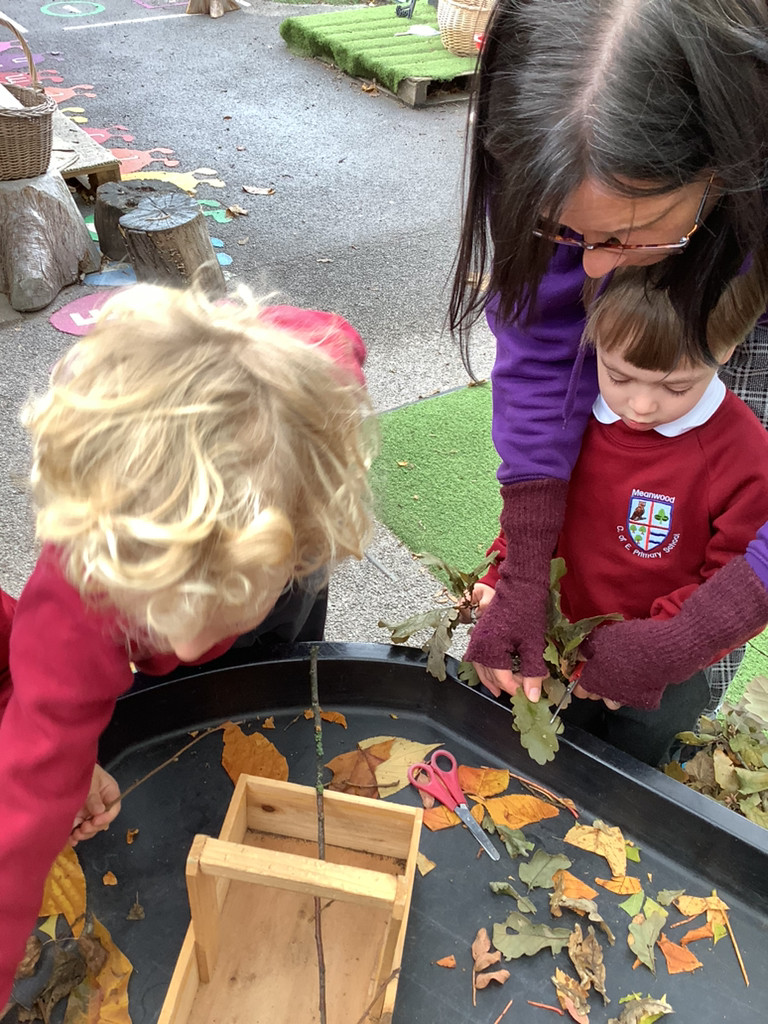
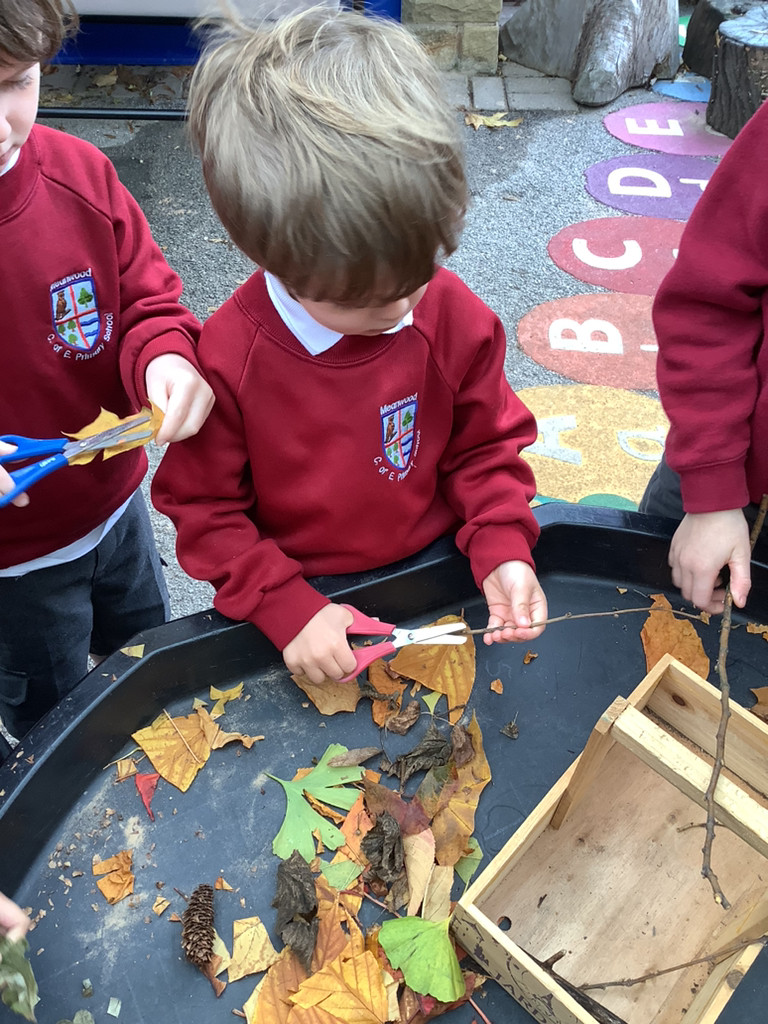
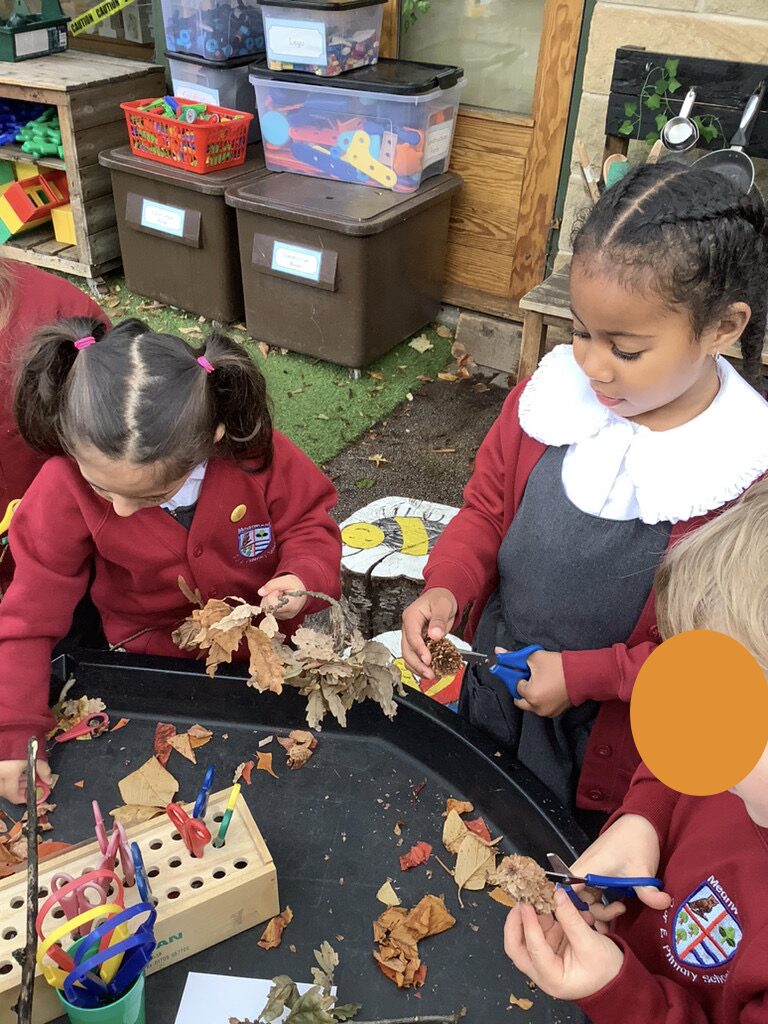
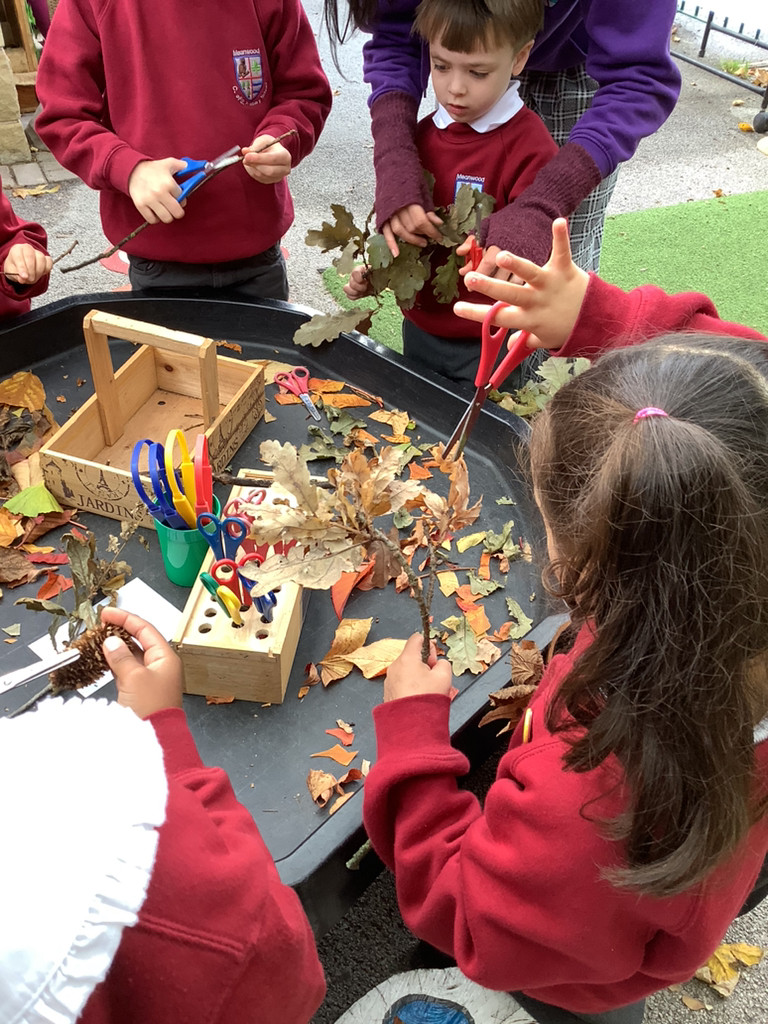
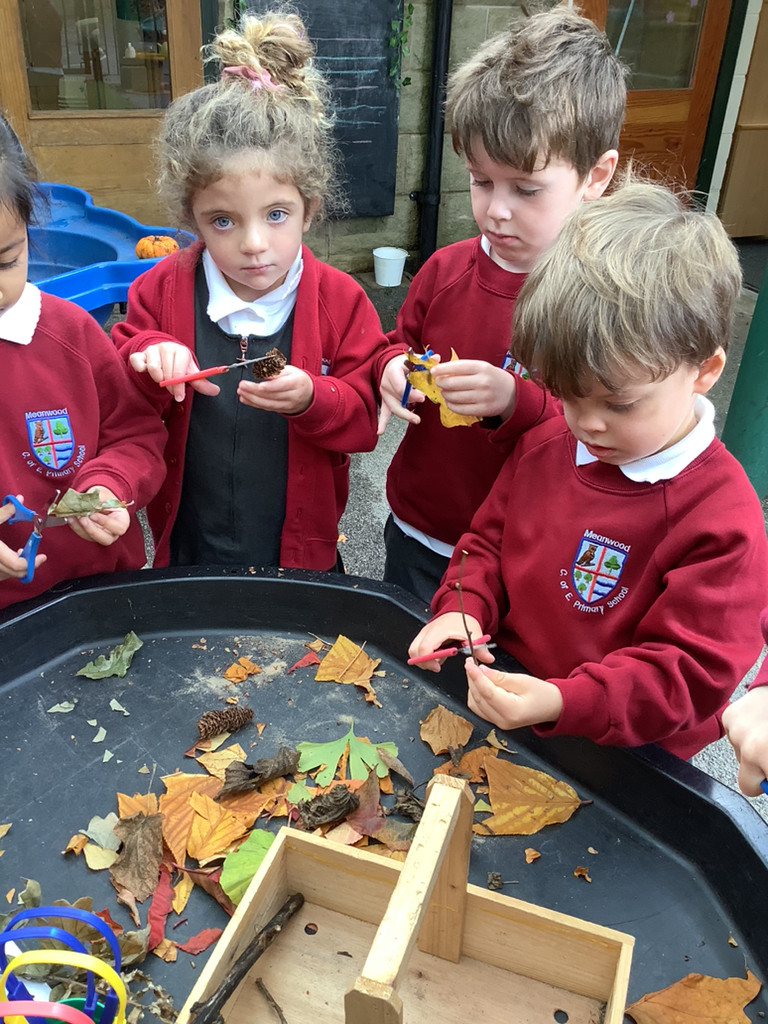
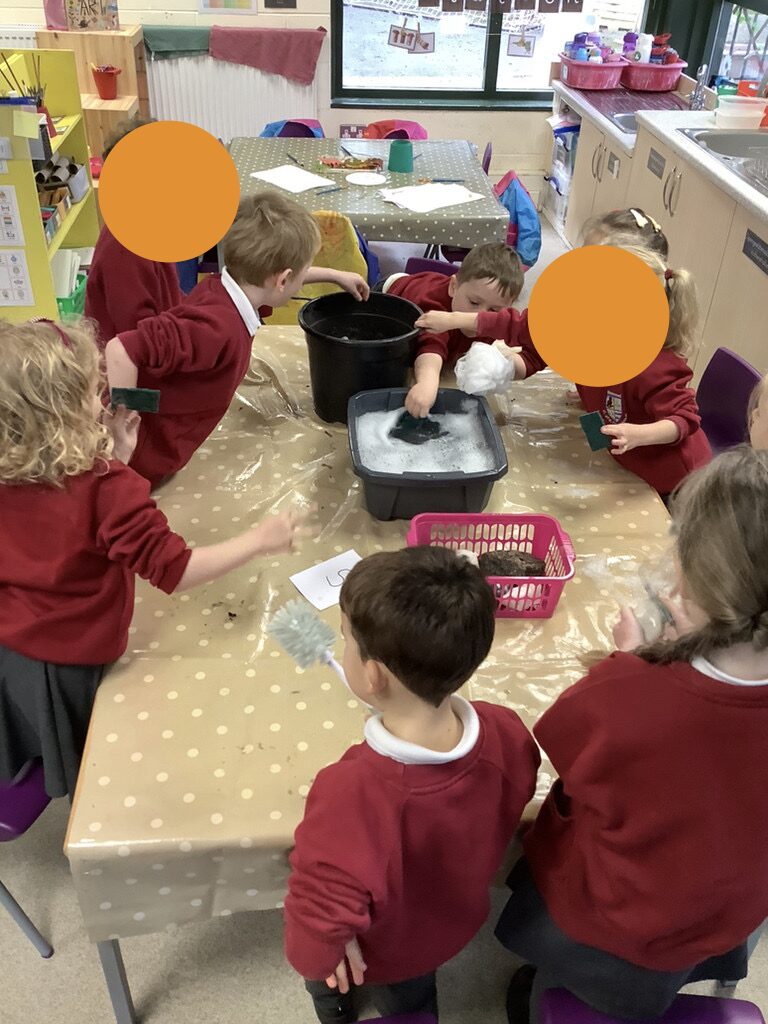
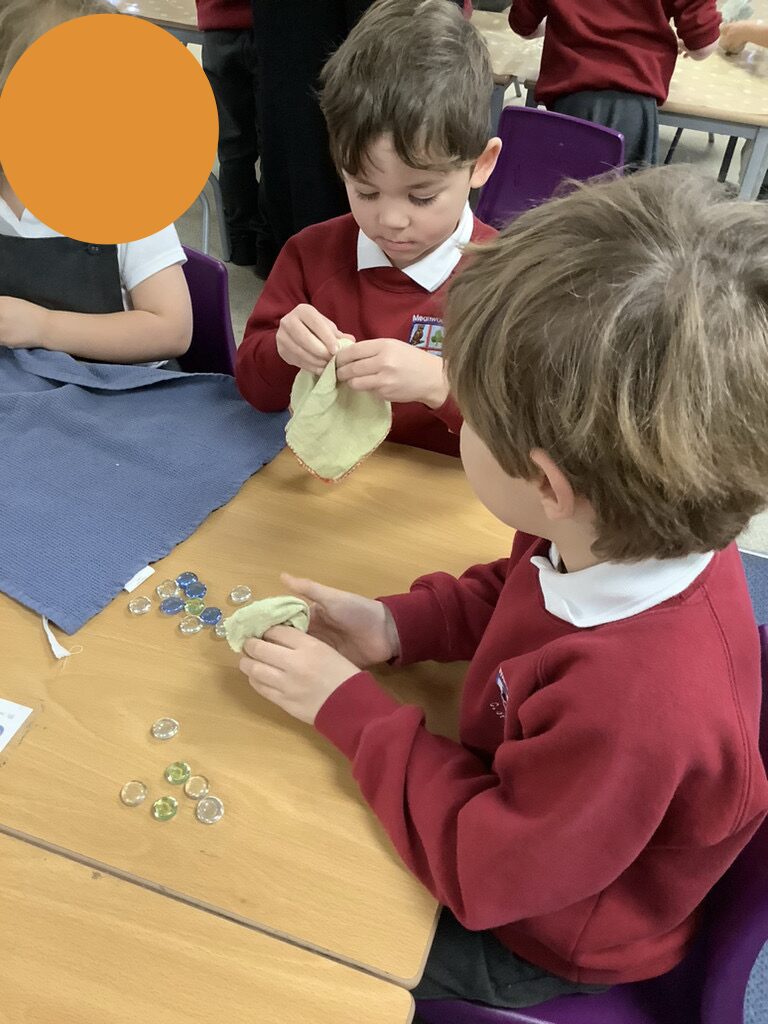
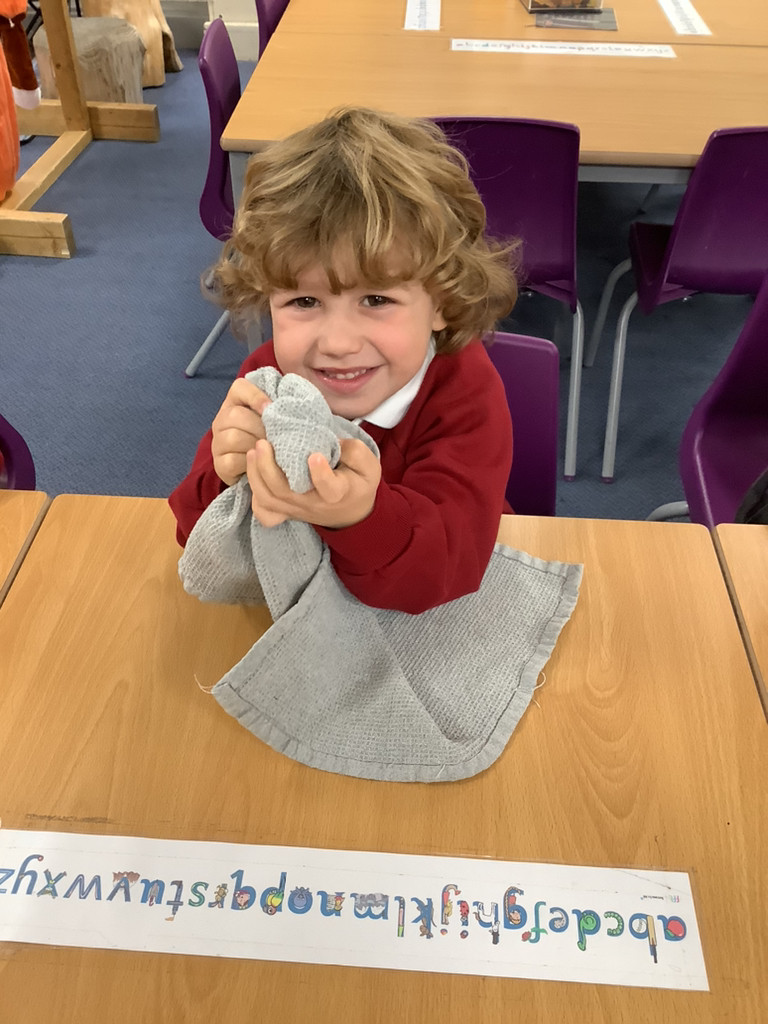
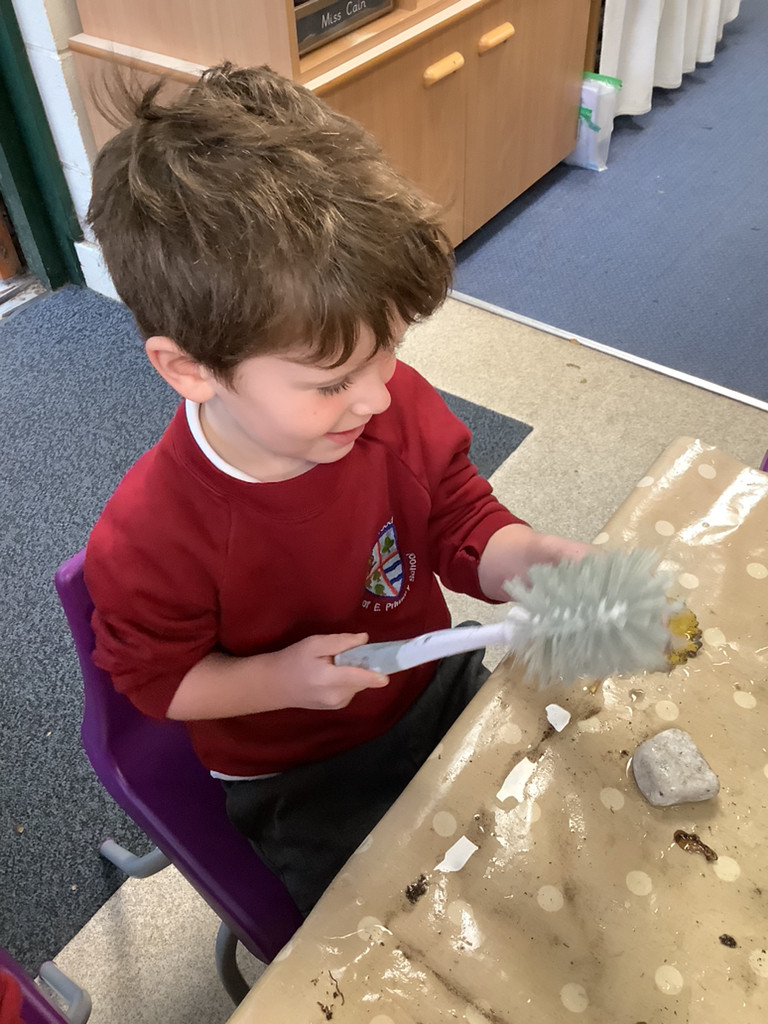
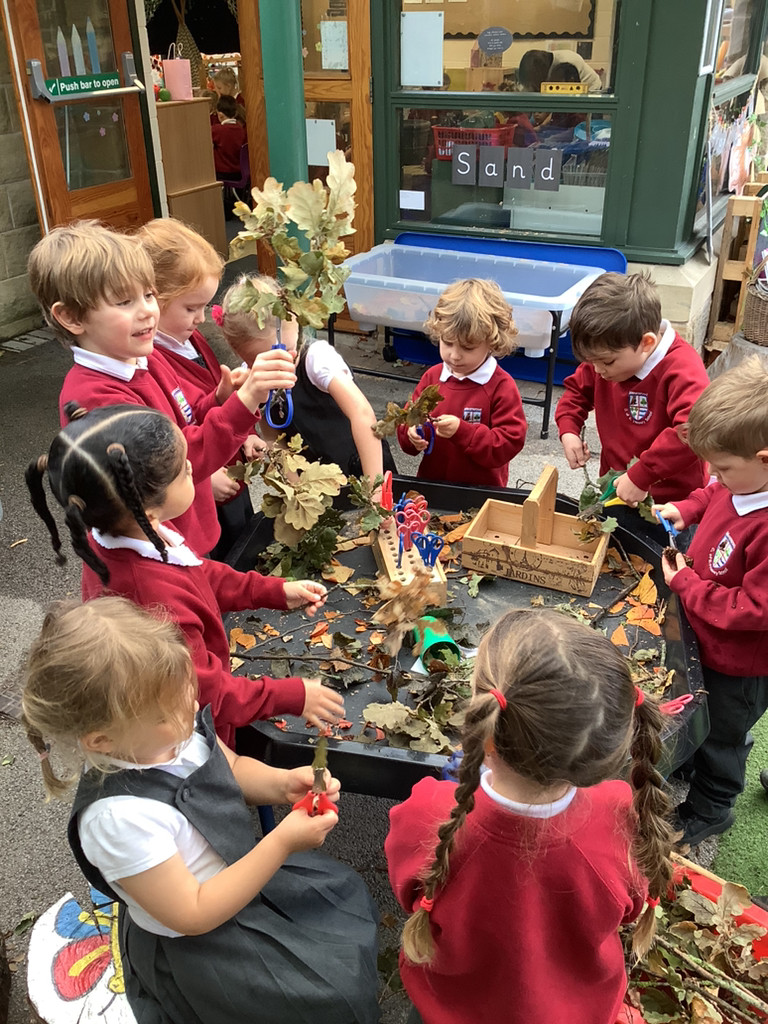
This week, we explored a new story in our Writing lessons: Tidy by Emily Gravett. The story follows Pete the badger, who loves keeping the woodland neat and tidy. He snips flowers, washes birds, sweeps leaves and even digs up trees! However, Pete soon discovers that his over-zealous tidying is damaging the woodland and its inhabitants.
We explored three new words from the story: snipping, scoured and polished. The children learnt what each word meant and practised saying and acting them out. They then applied their new vocabulary in our provision, taking part in practical activities such as snipping paper with scissors, scouring muddy toys with brushes and polishing objects with cloths. This hands-on learning helped the children understand the meaning of each word and use their new vocabulary confidently when talking about what they were doing.
We thoughtfully discussed some problems of tidying the natural world too much. When the children were scouring the rocks we came across a little spider which caused quite a stir! We thought about how the natural world is home to lots of little creatures who do not like everything very tidy and clean. 🕷️ When tidying the sticks and snipping of the lichen we discussed that lichen can be a food source for lots of animals.
The children had a lot of fun exploring their new vocabulary and made meaningful connections, well done everybody!